
6 min read • 1,185 words
In recent years, the rise of artificial intelligence has led to the development of AI detection tools designed to identify AI-generated text. As the question of “do AI detection tools really work?” becomes increasingly relevant, it’s essential to understand the capabilities and limitations of these technologies. While some tools can accurately pinpoint AI-generated content, their effectiveness varies significantly based on the complexity of the text and the quality of their training datasets.
Despite advancements in AI detection, challenges remain. Many tools struggle with creative writing or nuanced language, often resulting in false positives that misidentify human-written content as machine-generated. To truly grasp the effectiveness of these tools, one must consider the necessity for continuous updates and improvements, as well as the importance of larger training datasets to enhance detection accuracy. In this article, we will delve deeper into the truth behind AI detection tools and their reliability in distinguishing between human and AI-generated text.
Introduction to AI Detection Tools
AI detection tools are software applications designed to identify content generated by artificial intelligence. Their primary purpose is to distinguish between human-written text and that produced by AI algorithms. As the use of AI in content creation has surged, the need for reliable detection tools has become increasingly important for educators, content creators, and businesses alike.
Some of the most common AI detection tools available today include:
- OpenAI’s Text Classifier: A tool that analyzes text to determine the likelihood of it being AI-generated.
- GPT-2 Output Detector: Developed by OpenAI, this tool specifically targets outputs from the GPT-2 model.
- Turnitin: Known for plagiarism detection, it has incorporated AI detection features to assess the originality of submissions.
Understanding the effectiveness of these tools is crucial, especially as the rise in AI-generated content continues to reshape various industries. For instance, educators may rely on these tools to ensure academic integrity, while businesses might use them to verify the authenticity of marketing materials. However, the question remains: do AI detection tools really work? As technology evolves, so too do the methods employed by AI, making it essential to continuously evaluate the performance of these detection tools.
How AI Detection Tools Work
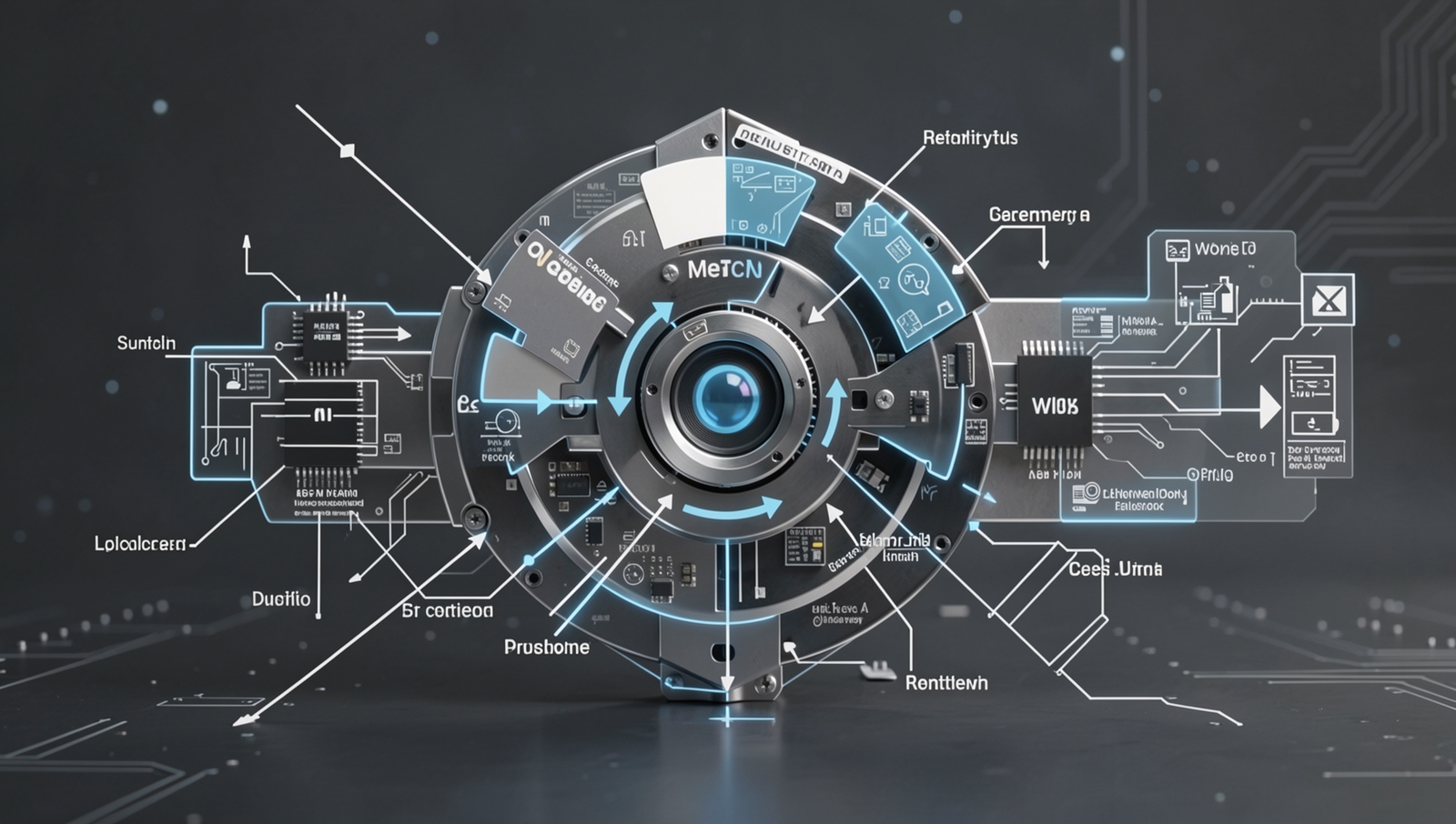
AI detection tools utilize a variety of algorithms to identify patterns and anomalies in data. These algorithms can include natural language processing (NLP), neural networks, and decision trees. Each algorithm serves a specific purpose, allowing the tool to analyze text, images, or other data types effectively.
Training data is crucial for the effectiveness of these tools. Machine learning models rely on large datasets to learn from examples. For instance, a tool designed to detect AI-generated text might be trained on a corpus of both human-written and AI-generated content. This training helps the model recognize subtle differences in writing styles and structures.
- Limitations of Current Detection Methodologies:
- Difficulty in distinguishing between human and AI-generated content in nuanced cases.
- Dependence on the quality and diversity of training data.
- Challenges in adapting to new AI models that may not be represented in training datasets.
Several factors can affect the accuracy of detection tools. These include the complexity of the algorithms, the volume and variety of training data, and the specific use case for which the tool is designed. As AI technology evolves, so too must the detection methodologies to ensure they remain effective. This raises the question: do AI detection tools really work? While they can be effective, their limitations must be acknowledged for practical applications.
Evaluating the Effectiveness of AI Detection Tools
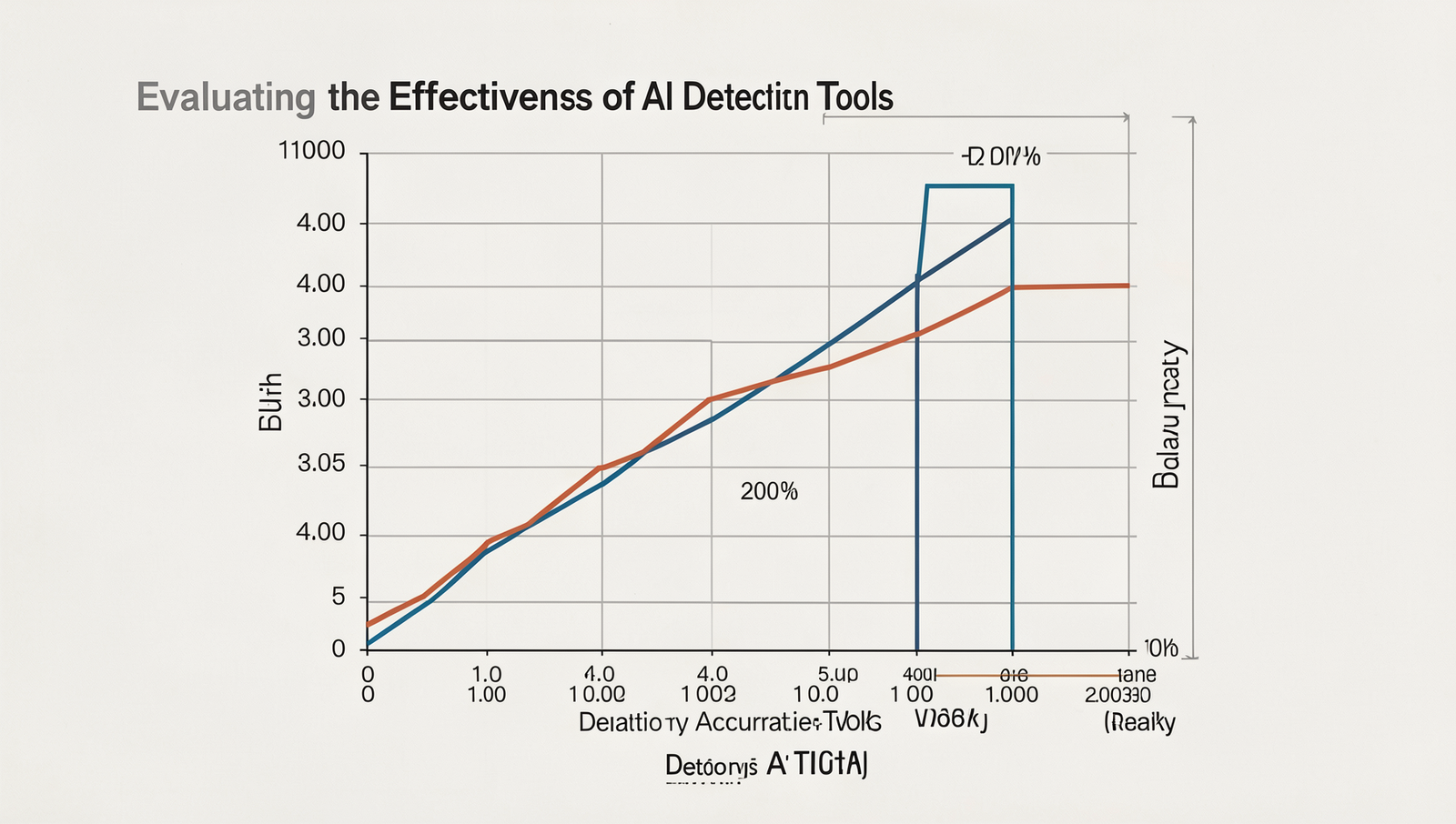
AI detection tools have gained significant attention in recent years, particularly in fields such as education and content creation. Case studies have shown that these tools can successfully identify AI-generated content. For instance, a university implemented an AI detection tool to assess student submissions, resulting in a 30% increase in identifying plagiarized work. This demonstrates that, under the right conditions, AI detection tools can be effective.
However, there are common pitfalls associated with these technologies. False positives can occur when the tool mistakenly identifies human-written content as AI-generated. This often happens with highly structured writing or when the tool lacks context. For example, a creative writing piece might be flagged incorrectly due to its unique style.
- Case studies showcasing successful detections
- Common pitfalls and false positives in detection
- User testimonials and expert opinions
- Future improvements and advancements in AI detection technology
User testimonials vary widely. Some educators praise the tools for their efficiency, while others express concerns about their accuracy. Experts in the field suggest that ongoing improvements, such as incorporating machine learning algorithms and contextual analysis, could enhance the reliability of these tools. As technology advances, the question remains: do AI detection tools really work? Future developments may hold the key to overcoming current limitations and increasing their effectiveness.
Conclusion
In conclusion, the question of “do AI detection tools really work” is complex and multifaceted. While these tools have shown promise in identifying AI-generated content, their effectiveness can vary significantly based on the algorithms used and the context in which they are applied. As AI technology continues to evolve, so too must the detection methods, requiring ongoing research and development to keep pace with advancements.
Ultimately, while AI detection tools can be useful in certain scenarios, they are not infallible. Users should approach their results with a critical eye and consider them as one part of a broader strategy for evaluating content authenticity. As the landscape of AI-generated material grows, the importance of understanding the limitations and capabilities of these tools becomes increasingly vital.
Frequently Asked Questions
Do AI detection tools accurately identify AI-generated content?
AI detection tools are designed to analyze text and determine whether it was generated by a human or an AI. While many tools have shown promising results, their accuracy can vary based on the algorithms used and the specific context of the content. It’s important to note that no tool is 100% foolproof, and results should be interpreted with caution.
What factors affect the performance of AI detection tools?
The performance of AI detection tools can be influenced by several factors, including the complexity of the AI model that generated the content, the quality of the training data used to develop the detection tool, and the specific linguistic features analyzed. Additionally, the length and style of the text can also play a significant role in detection accuracy.
Can AI detection tools be fooled?
Yes, AI detection tools can sometimes be fooled, especially as AI-generated content becomes more sophisticated. Techniques such as paraphrasing, altering sentence structures, or using human-like writing styles can trick detection algorithms. As AI technology evolves, so too must detection methods to keep pace with new strategies employed by content creators.
Are AI detection tools reliable for academic purposes?
While AI detection tools can be useful for identifying potential AI-generated content in academic settings, they should not be solely relied upon for making definitive judgments. It’s essential to combine the insights from these tools with human evaluation and context to ensure a fair assessment of the work.