
5 min read • 1,082 words
In the rapidly evolving world of technology, AI chatbots have become essential tools for businesses and consumers alike. However, despite their growing sophistication, these digital assistants are not infallible. Many users have experienced moments of frustration when AI chatbots provide wrong answers, often due to factors such as ambiguous language or outdated information. Understanding why AI chatbots sometimes falter can help users navigate their limitations and enhance their interactions.
AI chatbots learn from vast datasets, which can include inaccuracies and outdated content. This reliance on historical data can lead to misinterpretations of user queries, especially when context is lacking. Additionally, feedback loops play a crucial role in the learning process, allowing chatbots to improve over time by analyzing their mistakes. In this article, we will explore the reasons behind AI chatbots giving wrong answers and how they continuously adapt to provide better responses in the future.
Why AI Chatbots Sometimes Give Wrong Answers
AI chatbots are designed to assist users by providing information and answering questions. However, they sometimes deliver AI chatbots wrong answers due to several factors. One significant reason is that these chatbots rely on vast datasets that may contain inaccuracies or biases. For instance, if a chatbot is trained on data that includes outdated or incorrect information, it may inadvertently propagate these errors in its responses.
Another challenge lies in natural language processing (NLP). AI chatbots often struggle to interpret user queries accurately. For example, a user might ask, “What’s the best way to cook chicken?” If the chatbot misinterprets the intent behind the question, it might provide irrelevant cooking methods or even suggest unsafe practices.
- Limited Contextual Understanding: Chatbots may not grasp the full context of a conversation, leading to inappropriate or nonsensical responses.
- Ambiguity in Language: Phrases with multiple meanings can confuse chatbots, resulting in inaccurate answers.
- Outdated Information: If a chatbot’s training data is not regularly updated, it may provide information that is no longer relevant or correct.
In conclusion, while AI chatbots are powerful tools, their limitations in understanding language and reliance on imperfect data can lead to AI chatbots wrong answers. Continuous improvement in training methods and data quality is essential for enhancing their accuracy.
Factors Contributing to Incorrect Responses
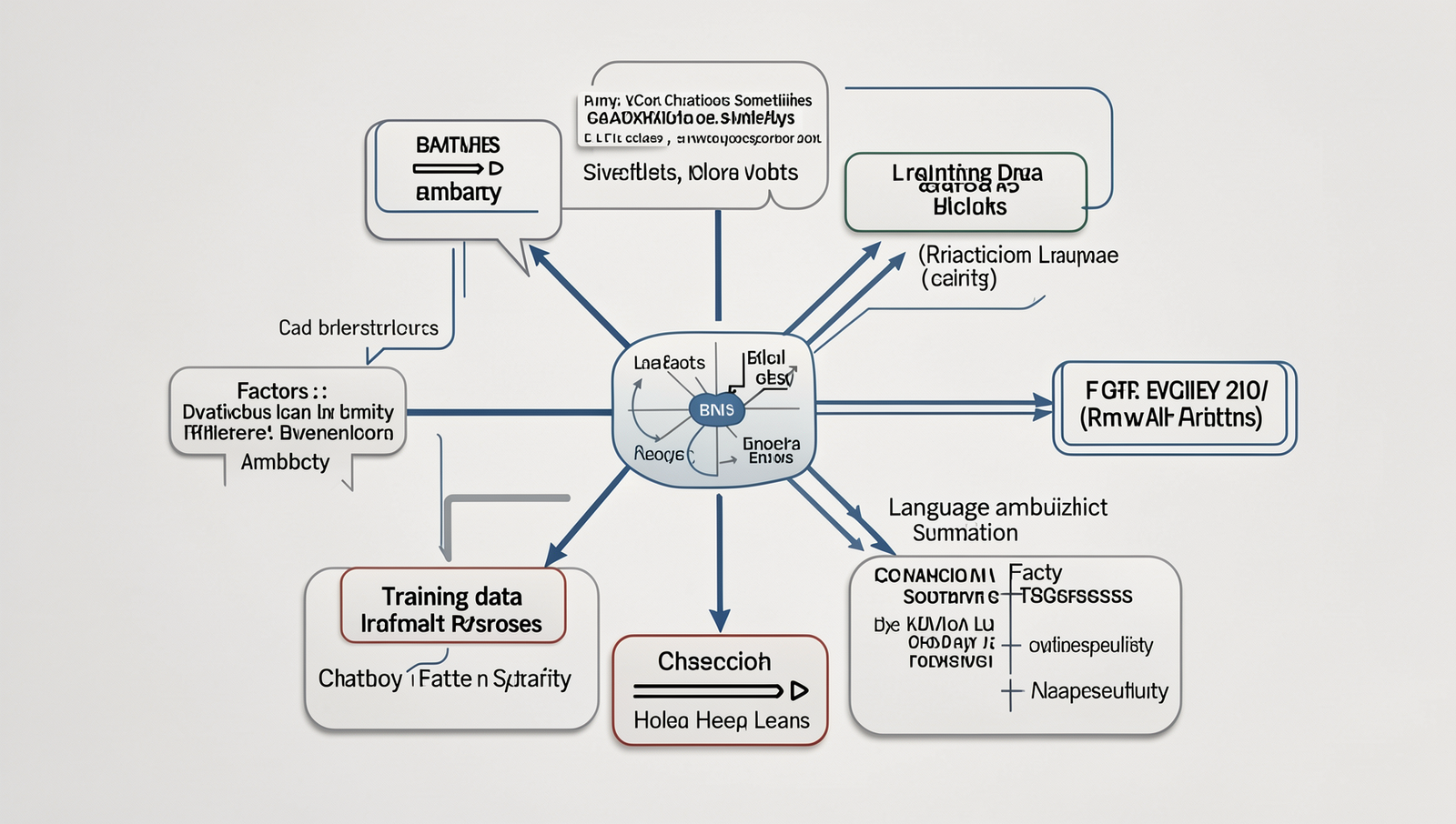
AI chatbots can sometimes provide wrong answers due to several factors that affect their performance. Understanding these factors is crucial for improving their accuracy and reliability.
- Insufficient training data: When AI chatbots are trained on limited datasets, they may lack the necessary information to respond accurately to a wide range of queries. For example, a chatbot trained primarily on medical texts may struggle with questions about technology.
- Overfitting: If a chatbot is overly tailored to specific datasets, it may fail to generalize to new or varied questions. For instance, a chatbot trained exclusively on customer service interactions may not perform well when asked about unrelated topics.
- Ambiguity in language: Natural language can be inherently ambiguous, leading to multiple interpretations of a single question. For example, the question “Can you book a flight?” could refer to different airlines, dates, or destinations, causing confusion for the AI.
By addressing these issues, developers can enhance the performance of AI chatbots and reduce the occurrence of AI chatbots wrong answers.
How AI Chatbots Learn and Improve
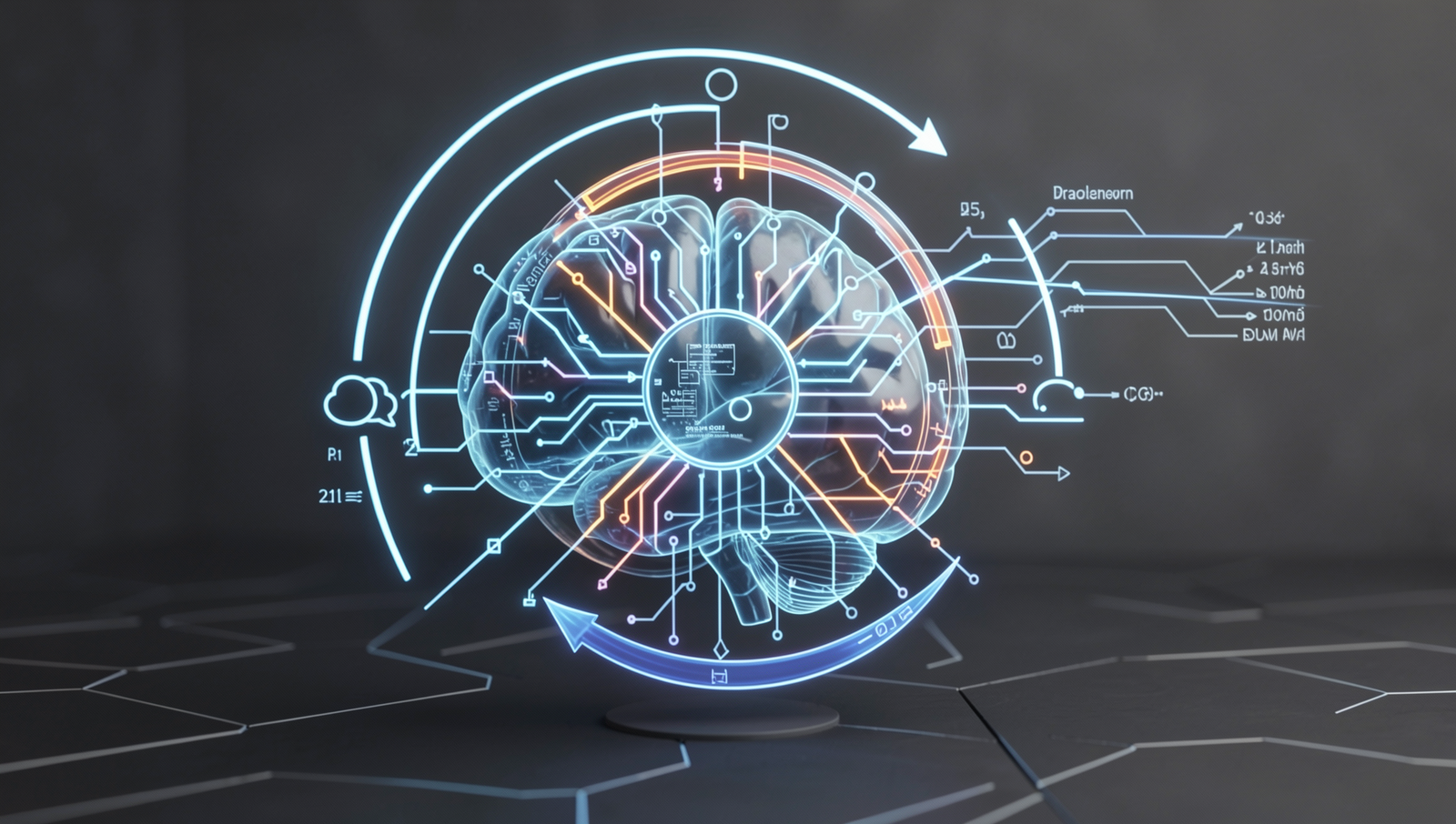
AI chatbots are designed to evolve and enhance their performance over time, primarily through feedback loops generated from user interactions. When users engage with chatbots, they often provide implicit or explicit feedback, which is crucial for refining response accuracy. For instance, if a user corrects a chatbot’s response, that information can be logged and analyzed to improve future interactions.
- Feedback from users helps identify common areas where AI chatbots give wrong answers.
- Corrective actions are taken based on user corrections to enhance the chatbot’s knowledge base.
Moreover, continuous training with new data is essential for AI chatbots to enhance their understanding and context. As language evolves and new topics emerge, chatbots must be updated with relevant information to maintain their effectiveness. For example, a chatbot that frequently interacts with users about current events will need regular updates to stay informed.
Incorporation of reinforcement learning techniques also plays a significant role in chatbot improvement. This method allows AI systems to adjust their responses based on user satisfaction. When a user rates a response positively, the chatbot learns to replicate that style or information in future interactions. Conversely, negative feedback prompts the system to reassess and modify its approach.
Through these mechanisms, AI chatbots can significantly reduce the frequency of wrong answers and provide a more satisfying user experience.
Conclusion
In conclusion, while AI chatbots have made significant advancements in understanding and generating human-like responses, they still encounter challenges that can lead to AI chatbots wrong answers. These inaccuracies can stem from limitations in their training data, misinterpretation of user queries, or the inherent complexities of human language. As technology continues to evolve, addressing these issues will be crucial for enhancing the reliability and effectiveness of AI chatbots.
Moreover, the learning process of AI chatbots is ongoing. By continuously refining their algorithms and incorporating user feedback, developers can improve the accuracy of responses over time. Understanding the reasons behind AI chatbots wrong answers not only helps users manage their expectations but also paves the way for more sophisticated and trustworthy AI interactions in the future.
Frequently Asked Questions
Why do AI chatbots sometimes give wrong answers?
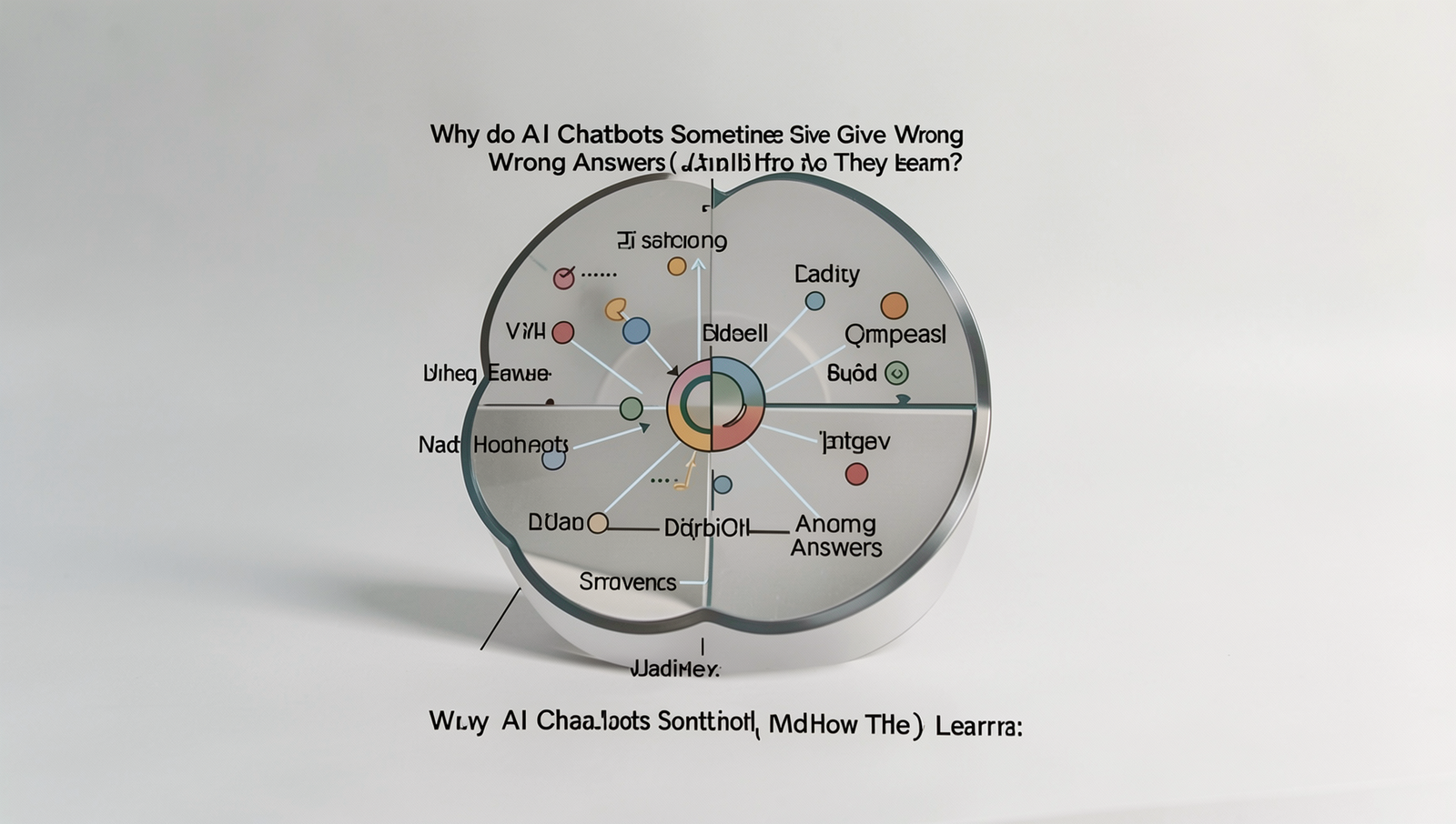
AI chatbots can provide incorrect answers due to various reasons, including limitations in their training data, misunderstandings of user queries, or the complexity of the topic being discussed. They rely on patterns learned from vast datasets, and if the data is incomplete or biased, it can lead to inaccuracies in their responses.
How do AI chatbots learn from their mistakes?
AI chatbots learn from their mistakes through a process called machine learning. When users provide feedback on incorrect answers, this information can be used to adjust the algorithms and improve future responses. Additionally, continuous training on new data helps refine their understanding and accuracy over time.
What factors contribute to the accuracy of AI chatbot responses?
The accuracy of AI chatbot responses is influenced by several factors, including the quality and diversity of the training data, the sophistication of the underlying algorithms, and the context in which questions are asked. Regular updates and user feedback also play a crucial role in enhancing their performance.