6 min read • 1,234 words
In today’s digital landscape, the integration of AI in apps has become increasingly prevalent, transforming the way we interact with technology. From social media platforms that tailor content to our preferences to e-commerce applications that suggest products based on our browsing habits, artificial intelligence is quietly enhancing user experiences and engagement. As these algorithms learn from our behaviors, they create a more personalized and efficient environment, making our daily app usage more intuitive than ever.
Moreover, the rise of voice assistants and chatbots powered by AI is revolutionizing customer support and communication within mobile applications. With improved speech recognition and response accuracy, these tools are not only streamlining interactions but also ensuring that users receive timely assistance. Additionally, AI-driven features in photo editing apps allow users to effortlessly enhance their images, while e-commerce platforms leverage AI to boost sales through tailored recommendations. As we delve deeper into the world of AI in apps, it becomes clear that this technology is reshaping our digital experiences in profound ways.
The Ubiquity of AI in Everyday Apps
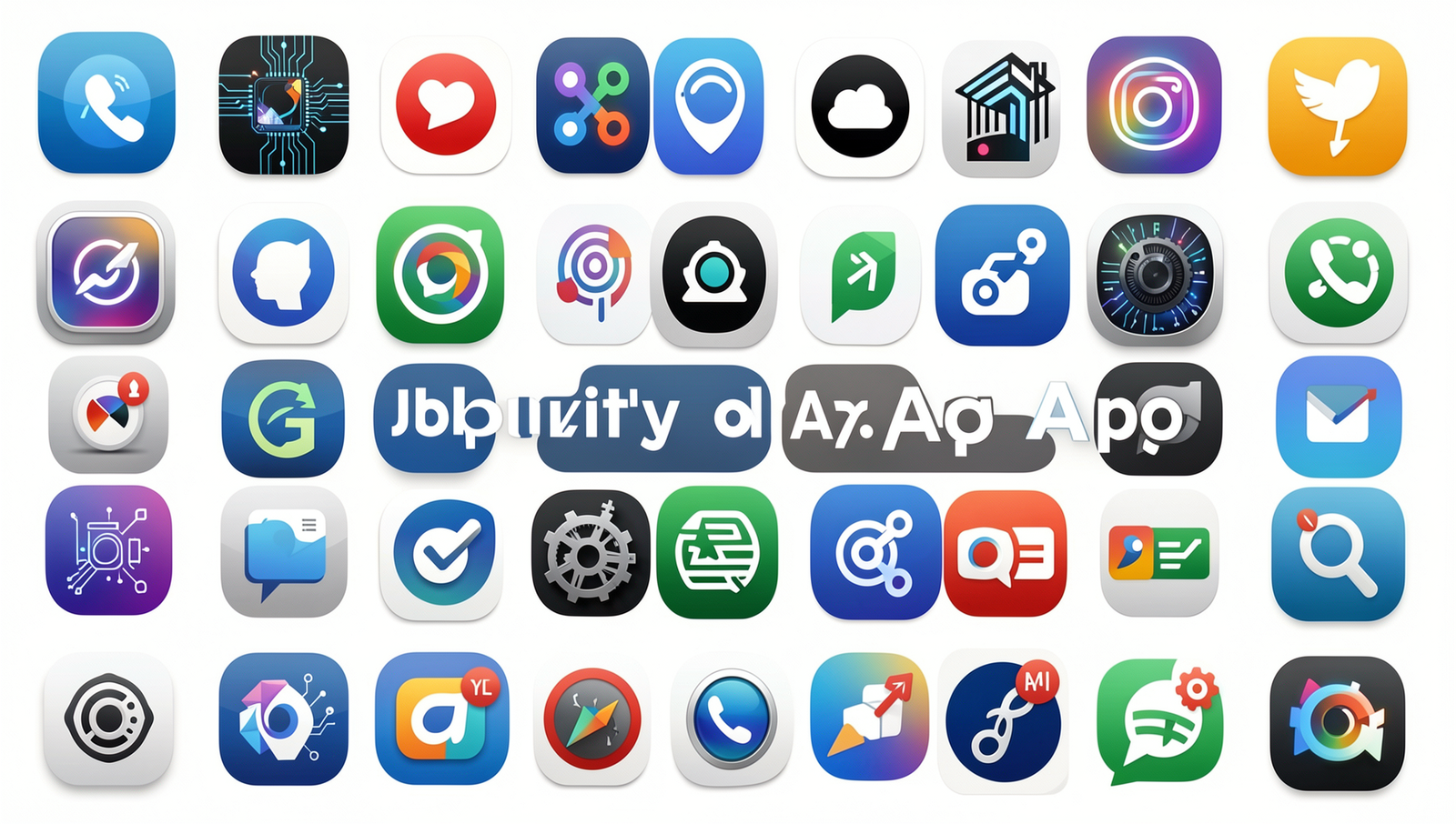
AI in apps has become an integral part of our daily digital interactions, seamlessly enhancing the functionality of various applications. From social media platforms to productivity tools, AI algorithms are embedded in popular applications that millions use every day.
For instance, social media apps like Facebook and Instagram utilize AI to curate personalized feeds, ensuring users see content that resonates with their interests. This personalization feature not only enhances user experience but also increases engagement, keeping users connected for longer periods.
Messaging apps, such as WhatsApp and Slack, leverage AI to provide smart replies and chatbots that assist users in managing conversations more efficiently. These features streamline communication and save time, making interactions more productive.
- Personalized Content: AI analyzes user behavior to suggest posts, friends, or groups that align with individual preferences.
- Smart Replies: Messaging apps use AI to suggest quick responses based on the context of conversations.
- Task Automation: Productivity tools like Trello and Asana employ AI to automate repetitive tasks, allowing users to focus on more critical projects.
Moreover, AI-powered recommendations influence purchasing decisions in e-commerce apps, where algorithms suggest products based on previous searches and purchases. This not only enhances the shopping experience but also drives sales for businesses.
In summary, the integration of AI in apps is transforming how we interact with technology, making our daily tasks more efficient and enjoyable.
How AI Enhances User Experience
AI in apps is revolutionizing the way users interact with technology, making experiences more seamless and intuitive. One of the most significant advancements is in natural language processing (NLP), which allows chatbots and virtual assistants to understand and respond to user queries more effectively. This leads to more engaging interactions, as users can communicate in a conversational manner.
For example, virtual assistants like Siri and Google Assistant can now comprehend complex questions and provide accurate answers, enhancing user satisfaction. Additionally, NLP enables features such as sentiment analysis, allowing apps to tailor responses based on user emotions.
Another area where AI is making a substantial impact is in image and video recognition. AI-driven algorithms can analyze and categorize visual content, improving content discovery and organization within apps. This is particularly evident in social media platforms, where users can find relevant content quickly through smart tagging and search functionalities.
- Instagram uses AI to suggest hashtags based on the content of a photo.
- Spotify employs AI to curate personalized playlists based on listening habits.
Moreover, smart notifications powered by AI help users manage their time and attention more effectively. By analyzing user behavior, these notifications can prioritize important alerts, ensuring that users receive relevant information without being overwhelmed.
In conclusion, the integration of AI in apps is enhancing user experience by enabling more intuitive interactions, improving content organization, and providing smart notifications that cater to individual needs.

The Ethical Implications of AI Integration
The integration of AI in apps has raised significant ethical concerns, particularly regarding data privacy. Many applications collect vast amounts of personal data to enhance user experience, but this raises questions about how that data is used and protected. For instance, apps may track user behavior, location, and preferences, leading to potential misuse of sensitive information.
Another critical issue is algorithmic bias. AI systems can inadvertently perpetuate existing biases, affecting user experiences and outcomes. For example, a job recruitment app utilizing AI may favor certain demographics over others, leading to unfair hiring practices. This bias can stem from the data used to train these algorithms, which may not represent the diversity of the user base.
Transparency is also a significant concern. Users often remain unaware of how AI influences app functionality. Without clear communication, users may not understand how their data is being utilized or how decisions are made by the AI. This lack of transparency can erode trust in the technology.
- Data privacy concerns: Extensive data collection can lead to misuse.
- Algorithmic bias: AI can reinforce societal biases in decision-making.
- Lack of transparency: Users may not know how AI affects their app experience.
Addressing these ethical implications is crucial for the responsible development and deployment of AI in apps, ensuring that technology serves all users fairly and transparently.
Conclusion
As we have explored, AI in apps is becoming an integral part of our daily digital experiences. From personalized recommendations to enhanced user interfaces, artificial intelligence is quietly transforming the way we interact with technology. This evolution not only improves efficiency but also enriches user engagement, making applications smarter and more intuitive.
Looking ahead, the role of AI in apps is expected to grow even further, with advancements in machine learning and data analytics paving the way for more innovative features. As users, it is essential to embrace these changes and understand how AI can enhance our daily tasks, ultimately leading to a more seamless and enjoyable experience in the digital landscape.
Frequently Asked Questions
How is AI integrated into everyday apps?
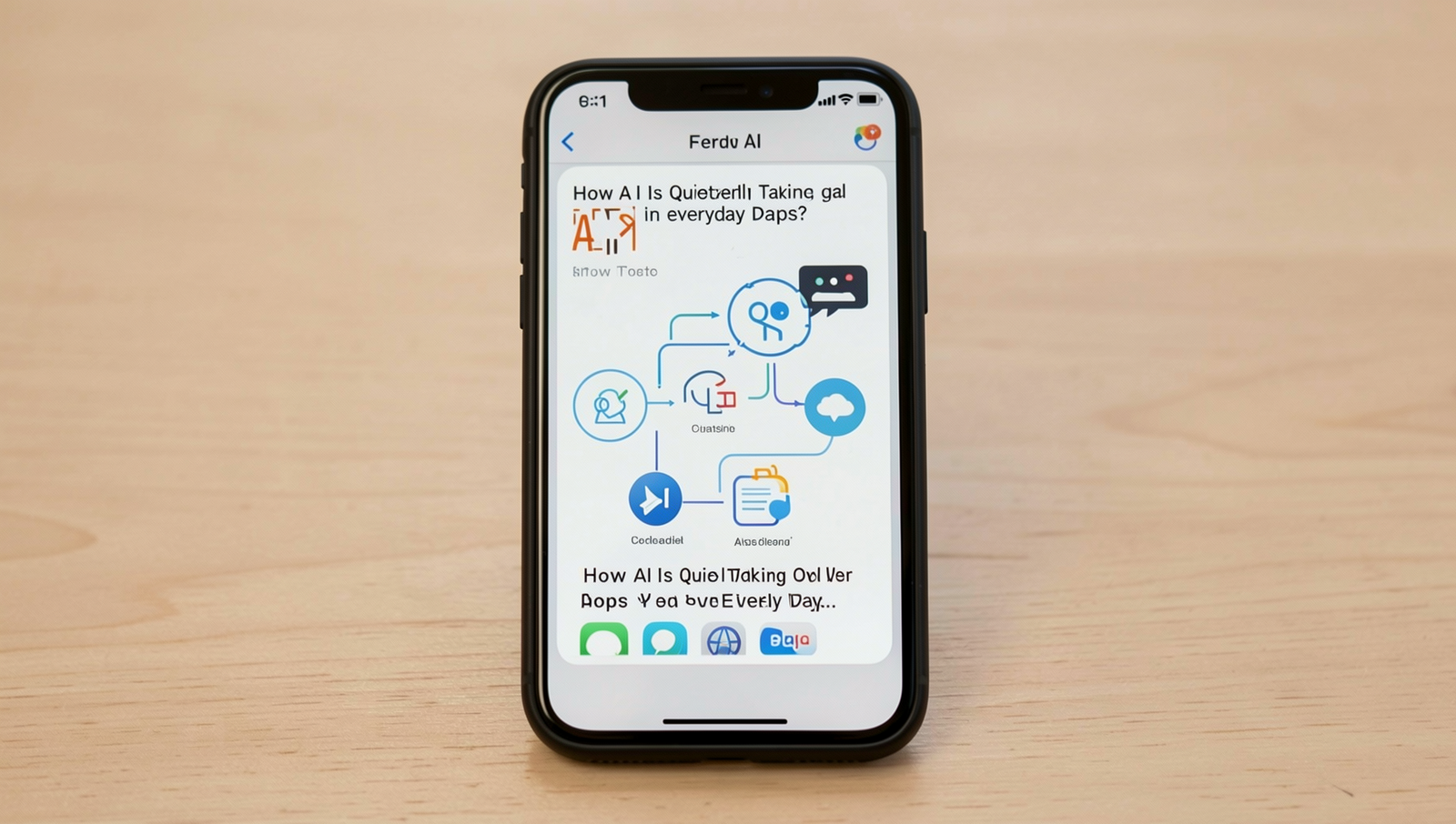
AI is integrated into everyday apps through various technologies such as machine learning, natural language processing, and computer vision. These technologies enable apps to analyze user data, understand user behavior, and provide personalized experiences. For example, AI algorithms can suggest content based on user preferences or automate tasks to enhance efficiency.
What types of apps use AI technology?
AI technology is used in a wide range of apps, including social media platforms, e-commerce applications, virtual assistants, and productivity tools. Popular examples include recommendation systems in streaming services, chatbots in customer service apps, and smart photo editing features in photography apps.
How does AI improve app functionality?
AI improves app functionality by enabling features such as predictive analytics, personalized recommendations, and enhanced user interfaces. By analyzing large datasets, AI can identify patterns and trends that help apps adapt to user needs, streamline processes, and provide more relevant content, ultimately leading to a better user experience.
What are the privacy concerns related to AI in apps?
Privacy concerns related to AI in apps include the potential for data misuse, lack of transparency in data collection practices, and the risk of biased algorithms. Users may worry about how their personal information is being used and whether their data is secure. It is essential for app developers to prioritize user privacy and implement robust data protection measures.