5 min read • 1,108 words
In today’s digital age, smart TVs have become a staple in many households, offering a plethora of features that enhance our viewing experiences. However, what many users may not realize is that these devices are also engaged in extensive smart TV data collection. From tracking your viewing habits and preferences to serving targeted advertisements, smart TVs are constantly gathering information that can reveal much more about you than just your favorite shows.
Moreover, many smart TVs are equipped with built-in microphones that can listen for voice commands, raising concerns about privacy and data security. The data collected can include personal information such as your location and demographic details, and it’s not uncommon for manufacturers to share this information with third-party companies for analytics and advertising purposes. Unfortunately, users often overlook privacy settings, leaving data collection enabled by default, which can lead to unintended consequences. Understanding the extent of smart TV data collection is crucial for protecting your privacy in an increasingly connected world.
Understanding Smart TV Data Collection
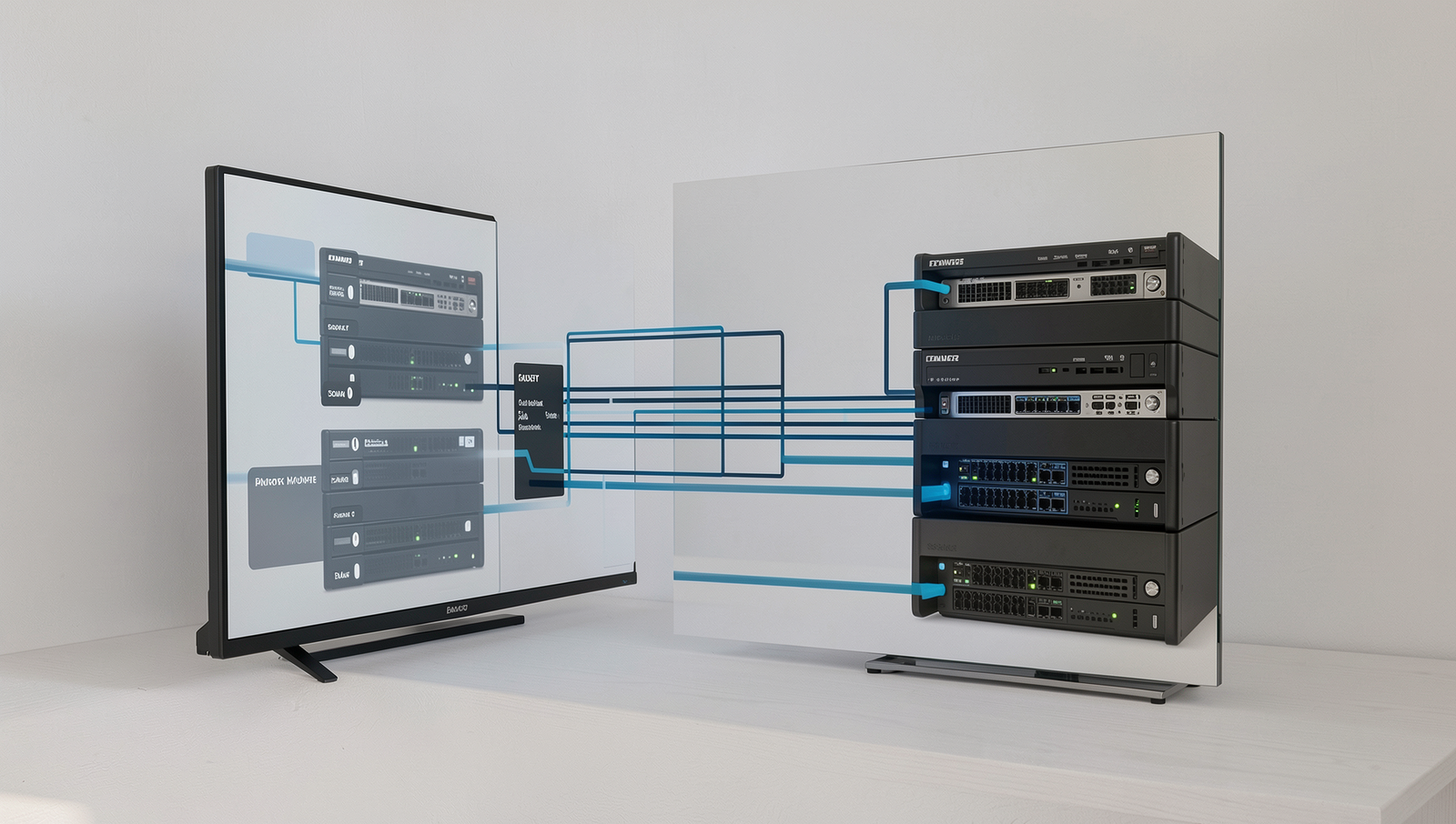
Smart TVs have become an integral part of modern households, offering a range of features that go beyond traditional television viewing. However, many users are unaware of the extent to which these devices collect data. Smart TV data collection occurs through various means, including internet connectivity and built-in applications that track user interactions.
Common types of data collected by smart TVs include:
- Viewing habits: What shows and movies you watch, including duration and frequency.
- Location data: Information about where the TV is being used, which can be linked to local advertising.
- Device usage: How often and when the TV is turned on or off.
- Voice commands: If the TV has voice recognition capabilities, it may record spoken commands.
When compared to other devices like smartphones and tablets, smart TVs often collect similar types of data but may do so on a larger scale due to their ability to track multiple viewers in a household. For example, while a smartphone may track app usage and location, a smart TV can analyze collective viewing patterns for all users in the living room.
User consent and privacy policies often play a crucial role in smart TV data collection. Many users may not read the fine print before agreeing to terms, leading to unintentional data sharing. It is essential for users to review privacy settings and understand what data is being collected and how it is used.
The Implications of Data Collection
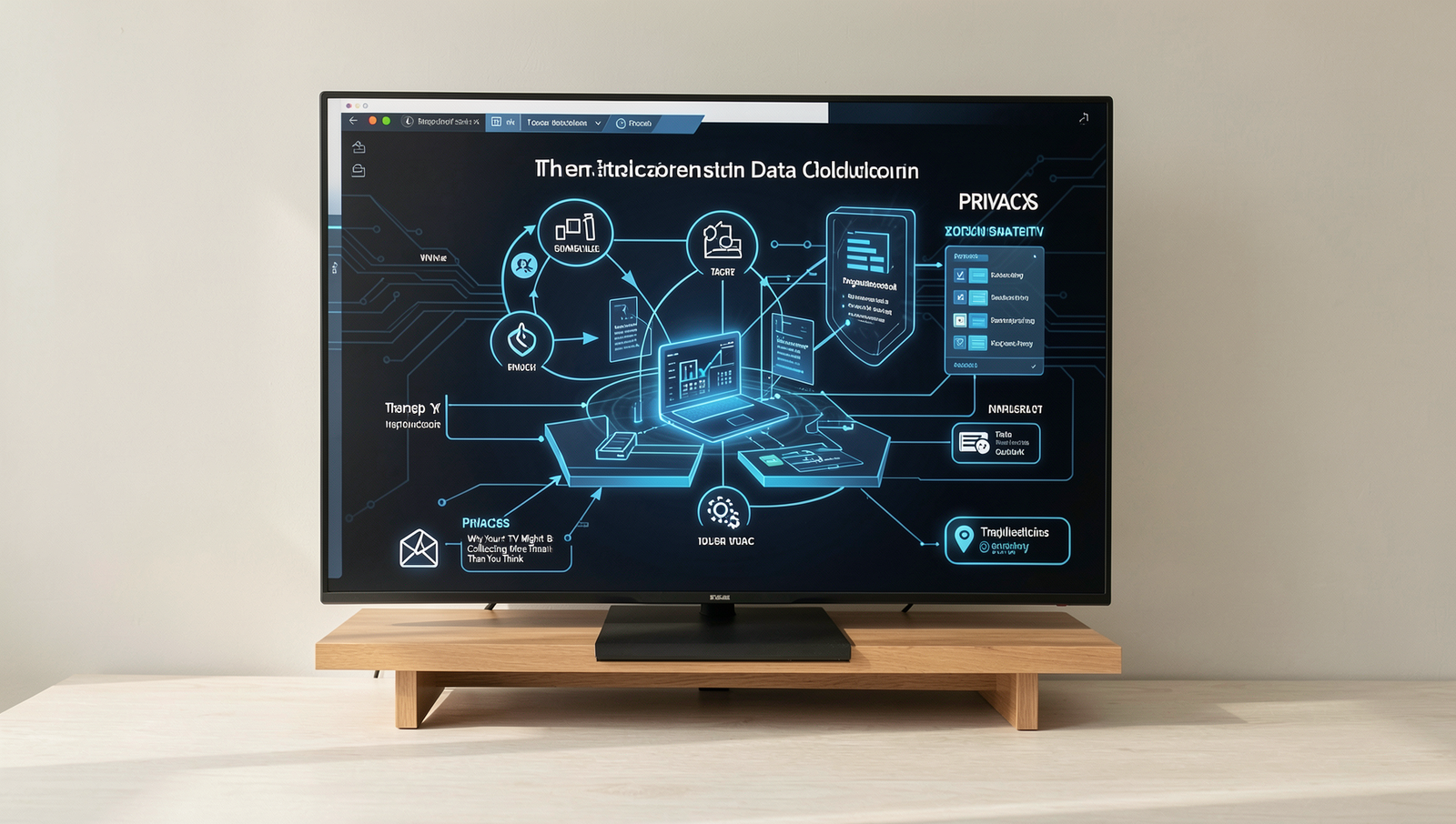
The rise of smart TVs has brought about significant advancements in home entertainment, but it also raises serious concerns regarding smart TV data collection. One of the primary risks associated with this data collection is the potential for data breaches and privacy violations. As smart TVs gather vast amounts of personal information, including viewing habits and preferences, this data can become a target for hackers.
Moreover, the data collected can be utilized for targeted advertising. Companies can analyze user behavior to deliver personalized ads, which may enhance the viewing experience but also raises questions about consumer privacy. For instance, if a user frequently watches cooking shows, they might start seeing ads for kitchen appliances or meal kits.
- Potential risks of data breaches leading to identity theft.
- Privacy violations through unauthorized data sharing with third parties.
- Impact on user experience through tailored content recommendations.
- Ethical considerations regarding who owns the data collected.
Furthermore, while targeted advertising can improve user experience, it also leads to ethical dilemmas surrounding data ownership. Users often remain unaware of how their data is being used, raising questions about consent and transparency in smart TV data collection practices.
Protecting Your Privacy with Smart TVs
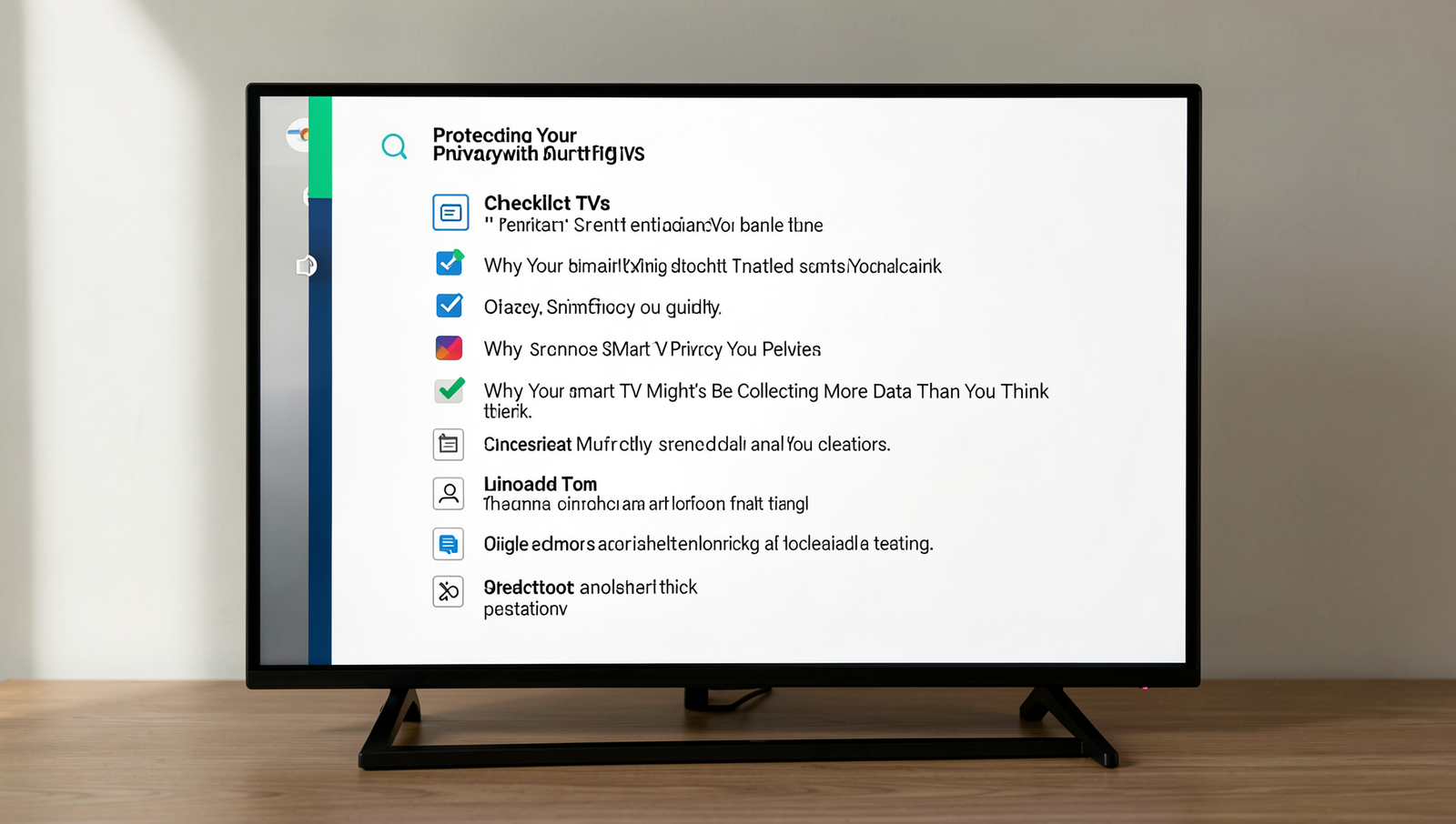
As smart TVs become increasingly popular, understanding how to protect your privacy is essential. Here are some tips for managing privacy settings on your smart TV:
- Access the settings menu and review all privacy options.
- Disable features like voice recognition if not needed.
- Limit data sharing with third-party apps.
Regularly updating your smart TV’s software and firmware is crucial. Manufacturers often release updates to patch security vulnerabilities and enhance privacy features. To check for updates, you can typically navigate to:
Settings > About > Software UpdateUsing VPNs can further enhance your privacy while streaming. A VPN encrypts your internet connection, making it harder for third parties to track your viewing habits. Consider using reputable VPN services that are compatible with smart TVs.
Lastly, understanding the role of third-party apps and services is vital. Many smart TVs come pre-installed with apps that may collect data. Always review the permissions requested by these apps and uninstall any that seem unnecessary or invasive.
Conclusion
In today’s digital age, the convenience of smart TVs comes with a trade-off that many users may not fully understand. The extent of smart TV data collection can be surprising, as these devices often gather more information than just viewing habits. From personal preferences to location data, the amount of data collected can be extensive, raising concerns about privacy and security.
As consumers, it is essential to be aware of the implications of smart TV data collection. Taking proactive steps, such as reviewing privacy settings and understanding the terms of service, can help mitigate potential risks. By staying informed and vigilant, users can enjoy the benefits of their smart TVs while safeguarding their personal information.
Frequently Asked Questions
Why do smart TVs collect data?
Smart TVs collect data to enhance user experience, provide personalized content recommendations, and improve advertising effectiveness. By analyzing viewing habits and preferences, manufacturers can offer tailored services and features that cater to individual users.
What kind of data do smart TVs collect?
Smart TVs can collect a variety of data, including viewing history, search queries, app usage, and even voice commands. Additionally, they may gather information about your device settings and network connections to optimize performance and connectivity.
Can I limit the data collected by my smart TV?
Yes, you can limit data collection by adjusting the privacy settings on your smart TV. Most devices allow you to opt-out of certain data collection practices, disable voice recognition features, and manage app permissions. It’s advisable to review the privacy policy and settings of your specific model for detailed options.
Are there any risks associated with data collection by smart TVs?
Yes, there are potential risks, including privacy concerns and data security issues. Collected data could be vulnerable to breaches or misuse. It’s important to stay informed about the data policies of your smart TV manufacturer and take steps to protect your personal information.