5 min read • 1,071 words
In today’s digital age, the convenience of public Wi-Fi networks is undeniable. However, this convenience comes with significant risks, particularly when it comes to public Wi-Fi data theft. Many users are unaware that these networks are often unsecured, making it alarmingly easy for hackers to intercept sensitive information. From personal emails to banking details, the data transmitted over public Wi-Fi can be captured with relative ease, leaving individuals vulnerable to identity theft and fraud.
Moreover, the threat of rogue hotspots looms large, as attackers can set up fake networks that unsuspecting users connect to without a second thought. With the right tools, such as packet sniffers, cybercriminals can easily capture the data flowing through these networks. To combat this growing concern, using a Virtual Private Network (VPN) on public Wi-Fi can significantly reduce the risk of data theft, providing an extra layer of security. Understanding the dangers of public Wi-Fi is crucial for safeguarding your personal information in an increasingly connected world.
Understanding Public Wi-Fi Risks
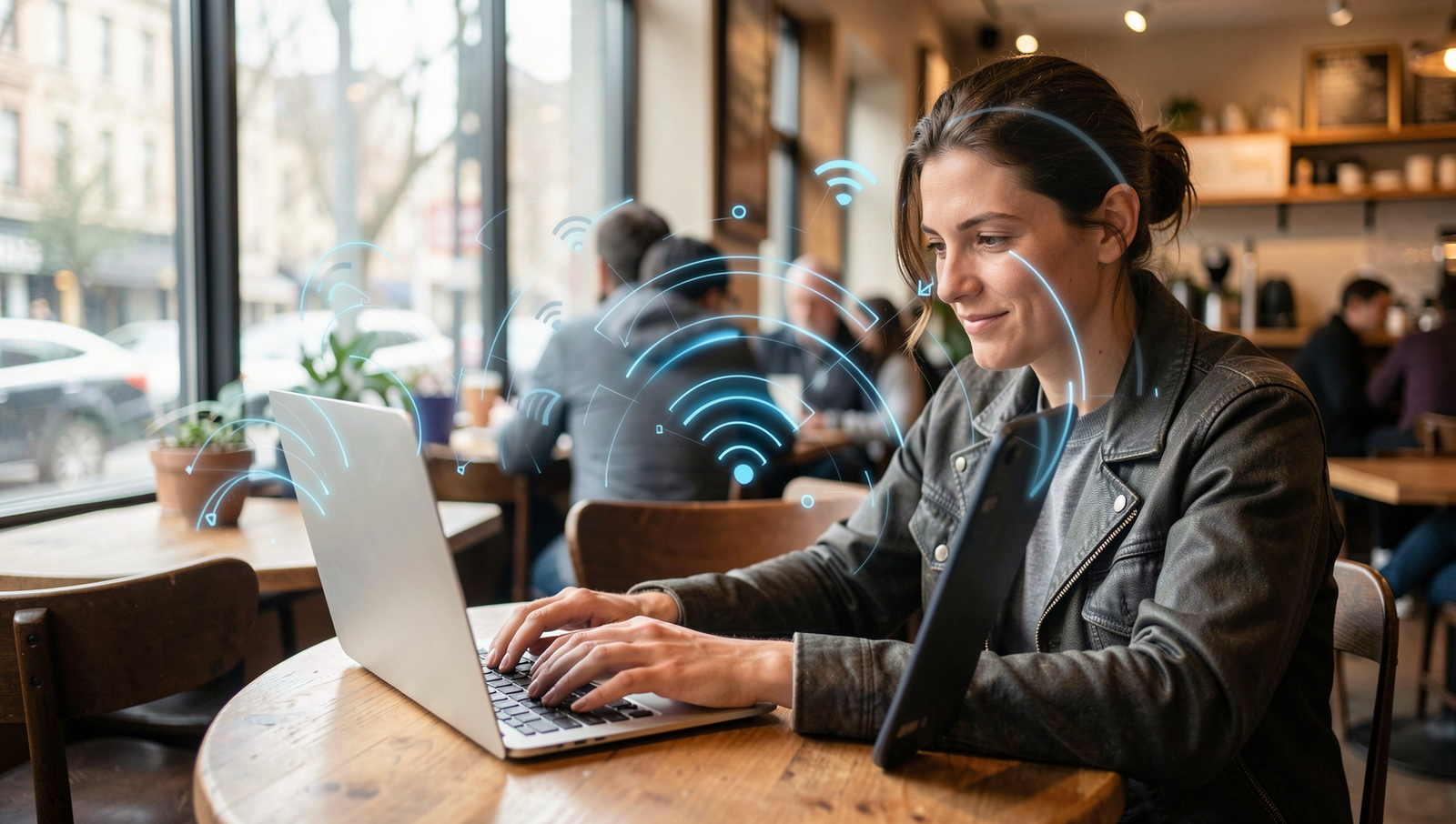
Public Wi-Fi networks, commonly found in cafes, airports, and libraries, are often unsecured, making them easy targets for hackers. When you connect to these networks, your data can be vulnerable to interception. This means that any information you send or receive, such as emails, passwords, or credit card details, can potentially be accessed by cybercriminals.
One of the primary risks associated with public Wi-Fi is the lack of encryption. Data transmitted over these networks can be intercepted without encryption, allowing hackers to capture sensitive information. For instance, if you log into your bank account while connected to an unsecured network, a hacker could easily access your login credentials.
Moreover, users may unknowingly connect to rogue hotspots set up by cybercriminals. These fake networks can mimic legitimate ones, tricking users into connecting. Once connected, the hacker can monitor all the data transmitted over the network.
- Always verify the network name before connecting.
- Use a Virtual Private Network (VPN) to encrypt your data.
- Avoid accessing sensitive information while on public Wi-Fi.
By being aware of these risks, you can take steps to protect yourself from public Wi-Fi data theft and keep your information secure.

Common Methods of Data Theft
Public Wi-Fi data theft is a significant concern for anyone who frequently connects to unsecured networks. Hackers employ various methods to capture sensitive information, and understanding these tactics can help users protect themselves.
- Packet Sniffing: This technique allows hackers to capture data being transmitted over the network. By using specialized software, they can intercept unencrypted data packets, which may include login credentials, personal messages, and financial information.
- Man-in-the-Middle Attacks: In this scenario, attackers position themselves between the user and the website they are trying to access. This interception enables them to read and manipulate communications, potentially leading to unauthorized access to accounts.
- Malware Distribution: Unsecured public Wi-Fi networks can be breeding grounds for malware. Hackers can inject malicious software into devices connected to the network, compromising user data and privacy.
For example, if a user connects to a public Wi-Fi network at a coffee shop, a hacker could employ packet sniffing to capture their login details for online banking. Similarly, during a man-in-the-middle attack, the hacker could alter the data being sent to a website, leading to unauthorized transactions. To mitigate these risks, users should consider using a Virtual Private Network (VPN) when accessing public Wi-Fi.

Protecting Yourself on Public Wi-Fi
Public Wi-Fi can be a convenient way to stay connected, but it also poses significant risks, particularly concerning public Wi-Fi data theft. To safeguard your information while using these networks, consider the following protective measures:
- Use a VPN: A Virtual Private Network (VPN) encrypts your internet connection, making it much harder for hackers to intercept your data. By routing your connection through a secure server, a VPN provides an additional layer of security.
- Avoid Sensitive Transactions: Refrain from accessing sensitive information, such as banking details or personal identification, when connected to public networks. If you must access such information, ensure you are on a secure and private connection.
- Verify Network Legitimacy: Always check the legitimacy of the Wi-Fi network before connecting. Look for official networks provided by businesses or institutions, and avoid connecting to networks with generic names like “Free Wi-Fi” or “Public Wi-Fi.”
For example, if you’re at a coffee shop, make sure to ask the staff for the correct network name and password. Additionally, consider using your mobile data for sensitive transactions when public Wi-Fi is your only option.
By taking these precautions, you can significantly reduce the risk of public Wi-Fi data theft and protect your personal information while enjoying the convenience of public internet access.
Conclusion
In conclusion, while public Wi-Fi offers convenience and accessibility, it also presents significant risks regarding public Wi-Fi data theft. Users often underestimate the vulnerabilities associated with these networks, making them easy targets for cybercriminals. It is crucial to remain vigilant and take proactive measures to protect personal information when connecting to public Wi-Fi.
To safeguard against public Wi-Fi data theft, consider using a virtual private network (VPN), avoiding sensitive transactions, and keeping your devices updated with the latest security patches. By being aware of the potential dangers and implementing these protective strategies, you can enjoy the benefits of public Wi-Fi while minimizing the risk of data breaches.
Frequently Asked Questions
What is public Wi-Fi?
Public Wi-Fi refers to wireless internet access that is available to the general public in places such as cafes, airports, libraries, and other public spaces. These networks are often free to use and do not require a password, making them convenient for users on the go.
How can public Wi-Fi steal my data?
Public Wi-Fi networks can be vulnerable to various security threats, including man-in-the-middle attacks, where a hacker intercepts communication between your device and the network. Additionally, unsecured networks may allow malicious users to access your personal information, such as passwords and credit card numbers, if you are not using encryption.
What precautions should I take when using public Wi-Fi?
To protect your data while using public Wi-Fi, consider the following precautions: use a virtual private network (VPN) to encrypt your internet connection, avoid accessing sensitive information such as banking details, ensure websites use HTTPS, and keep your device’s software and security features up to date.