5 min read • 985 words
The promise of 5G speed has captivated consumers and businesses alike, heralding a new era of connectivity with lightning-fast internet and seamless communication. However, the reality of 5G performance often falls short of these lofty expectations. Factors such as environmental obstacles, including buildings and trees, can significantly hinder the actual speeds experienced by users, making the theoretical maximums seem like a distant dream.
Moreover, the infrastructure required for 5G is more complex than its predecessors, necessitating a denser network of small cells that can limit coverage in certain areas. Many devices currently available on the market do not support the full range of 5G frequencies, further constraining potential speeds. Additionally, network providers frequently prioritize specific types of traffic, which can result in slower speeds for general users. Understanding these limitations is crucial for anyone looking to grasp the true capabilities of 5G technology.
The Hype vs. Reality of 5G Speeds
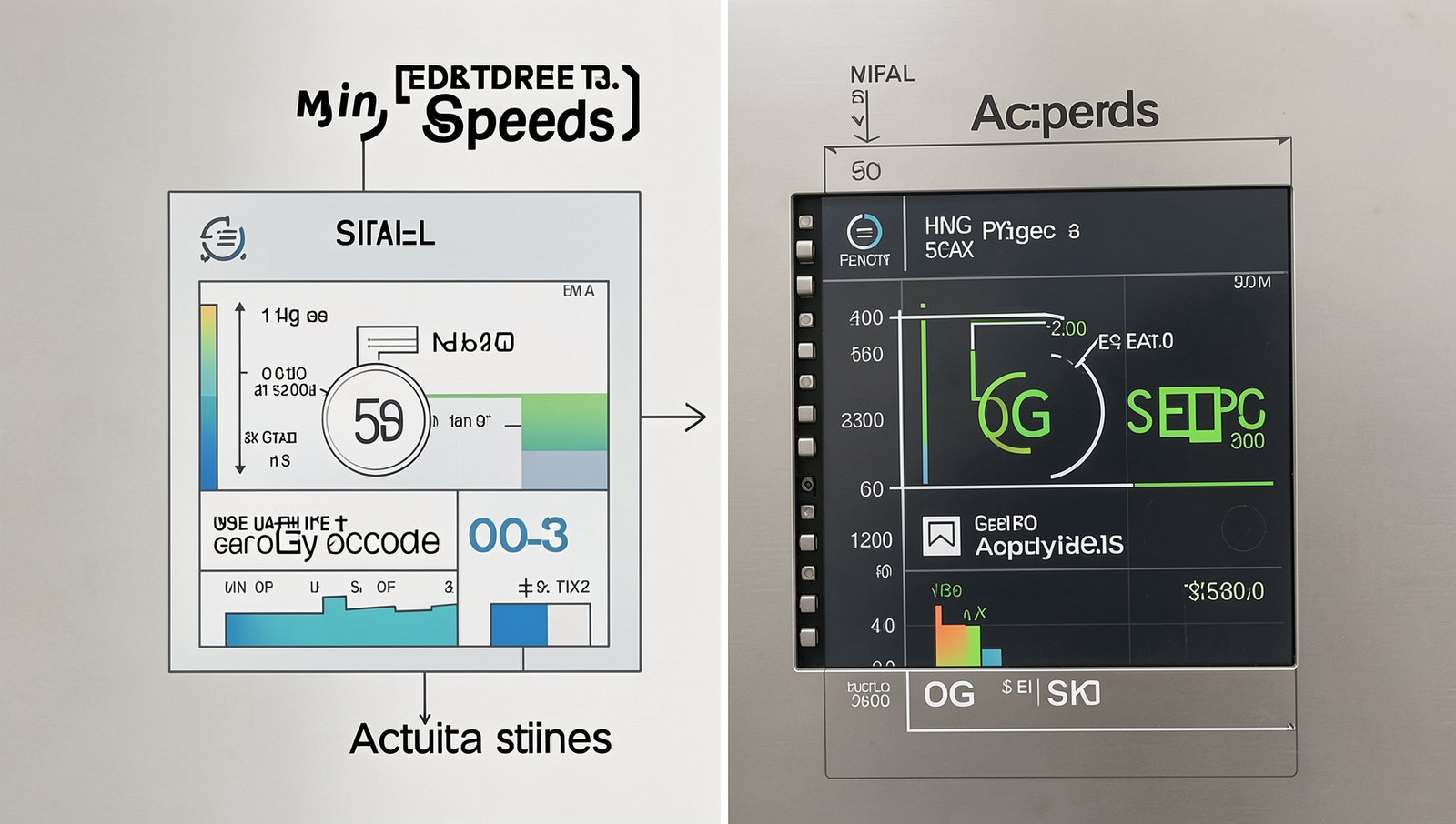
When 5G technology was first introduced, companies touted incredible speeds of up to 10 Gbps. This promise generated excitement among consumers and businesses alike, eager to experience a new era of connectivity. However, the reality of 5G speed has proven to be less impressive than anticipated.
In practice, many users report speeds that are significantly lower than the advertised figures. Several factors contribute to this discrepancy:
- Network Congestion: As more users connect to the network, speeds can drop considerably.
- Distance from Towers: The further a user is from a 5G tower, the weaker the signal and the lower the speed.
- Obstacles: Physical barriers such as buildings and trees can impede the high-frequency signals that 5G relies on.
For example, in urban areas where 5G is deployed, users might experience speeds around 1 Gbps, while those in rural areas may struggle to reach even 100 Mbps. This stark contrast highlights the gap between the promised and actual 5G speed, leading to frustration among consumers who expected more from this advanced technology.
Infrastructure Challenges
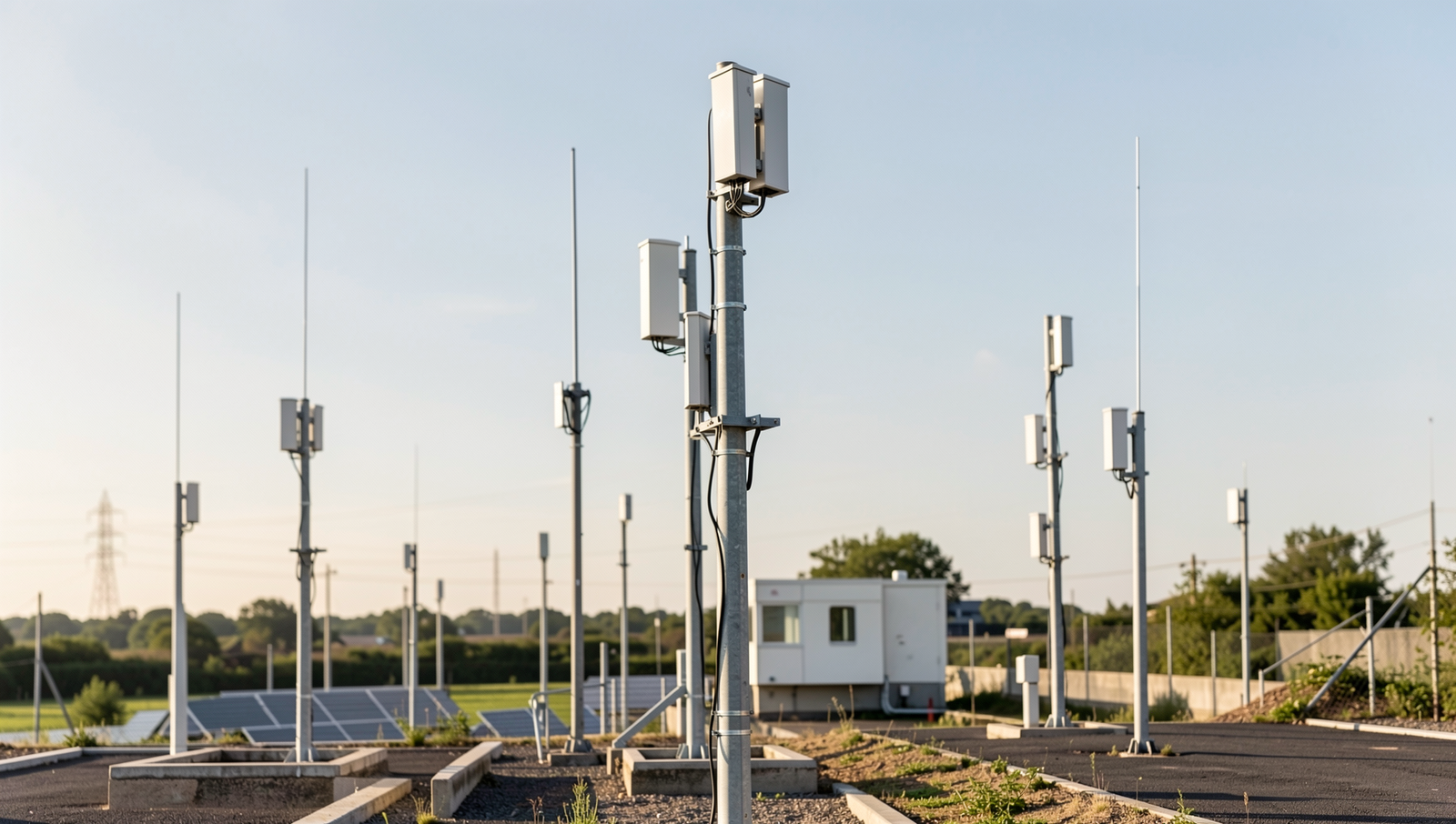
One of the primary reasons 5G speed is not meeting expectations is the need for a dense network of small cells. Unlike previous generations of mobile technology, 5G requires numerous small cell stations to provide adequate coverage and speed. This deployment is both costly and time-consuming, creating significant barriers for telecom companies.
Many regions, especially rural and underserved areas, still lack the necessary infrastructure to support full 5G capabilities. This absence of foundational elements means that even if a city has 5G towers, surrounding areas may still experience slower speeds due to inadequate coverage.
Additionally, regulatory hurdles and local opposition can further complicate the rollout of 5G networks. Some of the challenges include:
- Lengthy permitting processes that delay installation.
- Community resistance to new cell towers due to aesthetic concerns.
- Local regulations that limit where and how small cells can be deployed.
These factors collectively hinder the widespread availability of 5G speed, leaving many users frustrated with the technology’s current performance.
Technical Limitations of 5G Technology
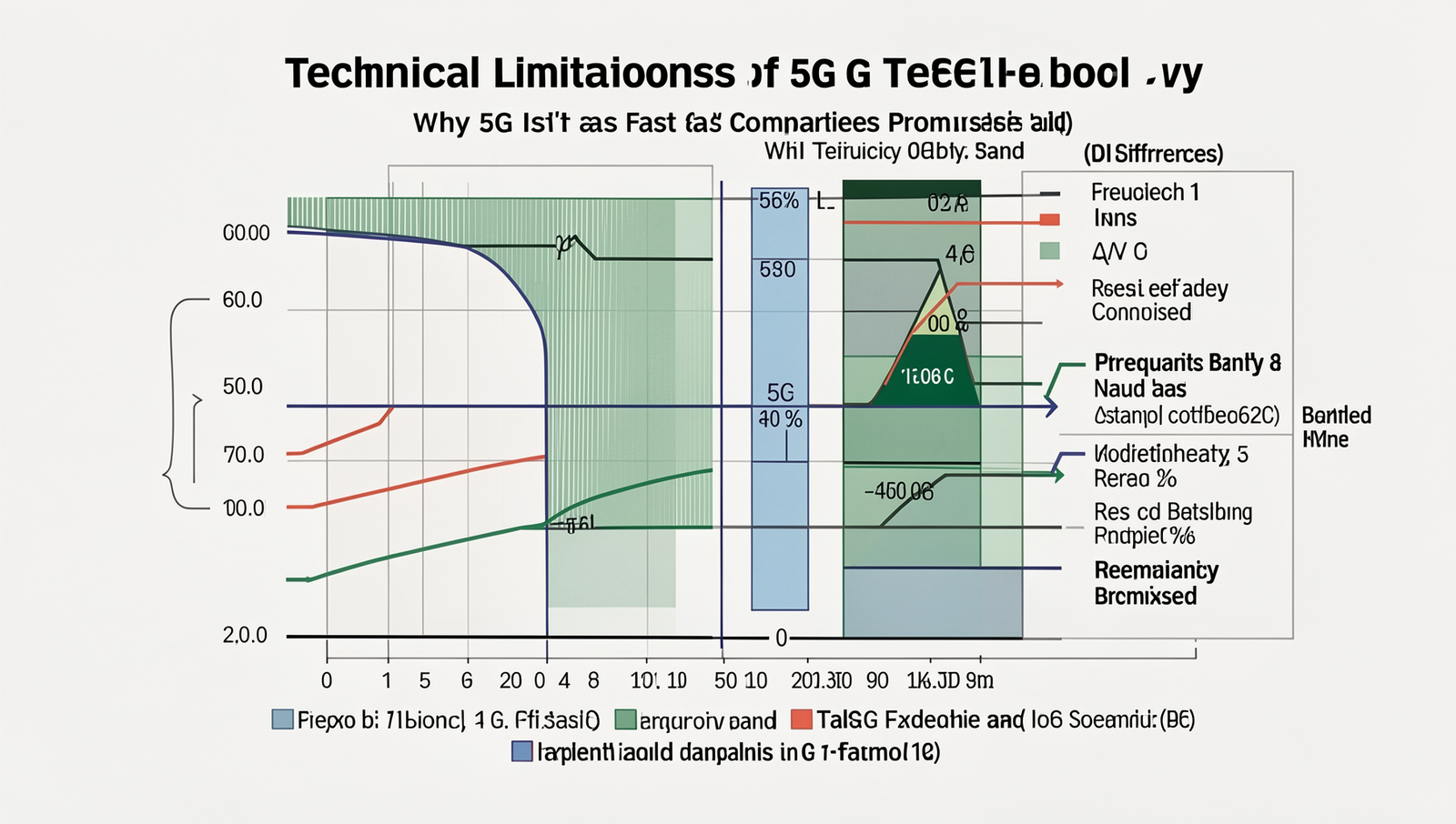
One of the primary reasons 5G speed isn’t as fast as companies promised lies in the higher frequency bands utilized by this technology. While these bands can support greater data rates, they come with significant drawbacks. Specifically, higher frequencies have shorter ranges and are more susceptible to interference from various sources.
For instance, the following factors can negatively impact 5G signal quality:
- Weather conditions, such as rain or fog, can attenuate signals.
- Physical obstructions, like buildings and trees, can block or weaken the signal.
- Urban environments often have dense structures that create multipath interference, complicating signal transmission.
Moreover, while 5G technology promises lower latency, the actual improvements are often not as significant as anticipated. In real-world scenarios, users may experience delays that are still noticeable, especially in crowded areas where network congestion is prevalent.
In summary, despite the hype surrounding 5G speed, various technical limitations hinder its performance, leading to a less than optimal user experience in many situations.
Conclusion
While 5G technology promises unprecedented speeds and connectivity, the reality often falls short of the lofty expectations set by telecommunications companies. Factors such as infrastructure limitations, spectrum availability, and the complexities of network deployment contribute to the slower-than-anticipated 5G speed experienced by many users. As the technology continues to evolve, it is essential for consumers to have realistic expectations and understand the current limitations of 5G networks.
Moreover, the potential of 5G speed will only be fully realized as providers invest in expanding their networks and improving coverage. As advancements are made and more devices become compatible with 5G, users may eventually experience the high-speed benefits that were initially promised. Until then, it is crucial to remain informed and patient as the technology matures and adapts to meet the demands of a connected world.
Frequently Asked Questions
Why is 5G not as fast as advertised?
5G technology has the potential for high speeds, but various factors such as network infrastructure, coverage, and device compatibility can limit actual performance. Many users experience speeds that are lower than the theoretical maximum due to these limitations.
What factors limit 5G speeds?
Several factors can affect 5G speeds, including distance from the cell tower, physical obstructions like buildings and trees, network congestion, and the type of 5G technology being used (e.g., low-band, mid-band, or high-band).
Are all 5G networks the same speed?
No, not all 5G networks provide the same speeds. Different carriers may use different frequencies and technologies, which can result in varying performance levels. Additionally, the density of the network infrastructure and the number of users can also impact speed.
What can users do to improve their 5G experience?
Users can improve their 5G experience by ensuring they are in areas with strong coverage, using compatible devices, and connecting to less congested networks. Keeping software updated and optimizing device settings can also help enhance performance.
