6 min read • 1,175 words
In recent years, the rise of AI voice cloning scams has become a pressing concern for individuals and law enforcement alike. Scammers are leveraging advanced voice cloning technology to create highly realistic audio samples that can mimic the voices of trusted individuals, such as family members or close friends. This alarming trend has made it easier for fraudsters to manipulate victims into transferring money or sharing sensitive information, often leaving them devastated and financially vulnerable.
The accessibility of voice cloning technology has significantly lowered the barrier for entry for scammers, enabling them to obtain the necessary tools to execute their schemes with alarming ease. With just a few minutes of recorded audio, these criminals can produce convincing imitations that can deceive even the most cautious individuals. As law enforcement agencies struggle to keep pace with the rapid advancements in voice cloning technology, it is crucial for the public to be aware of these scams and take proactive measures to protect themselves.
Understanding AI Voice Cloning Technology
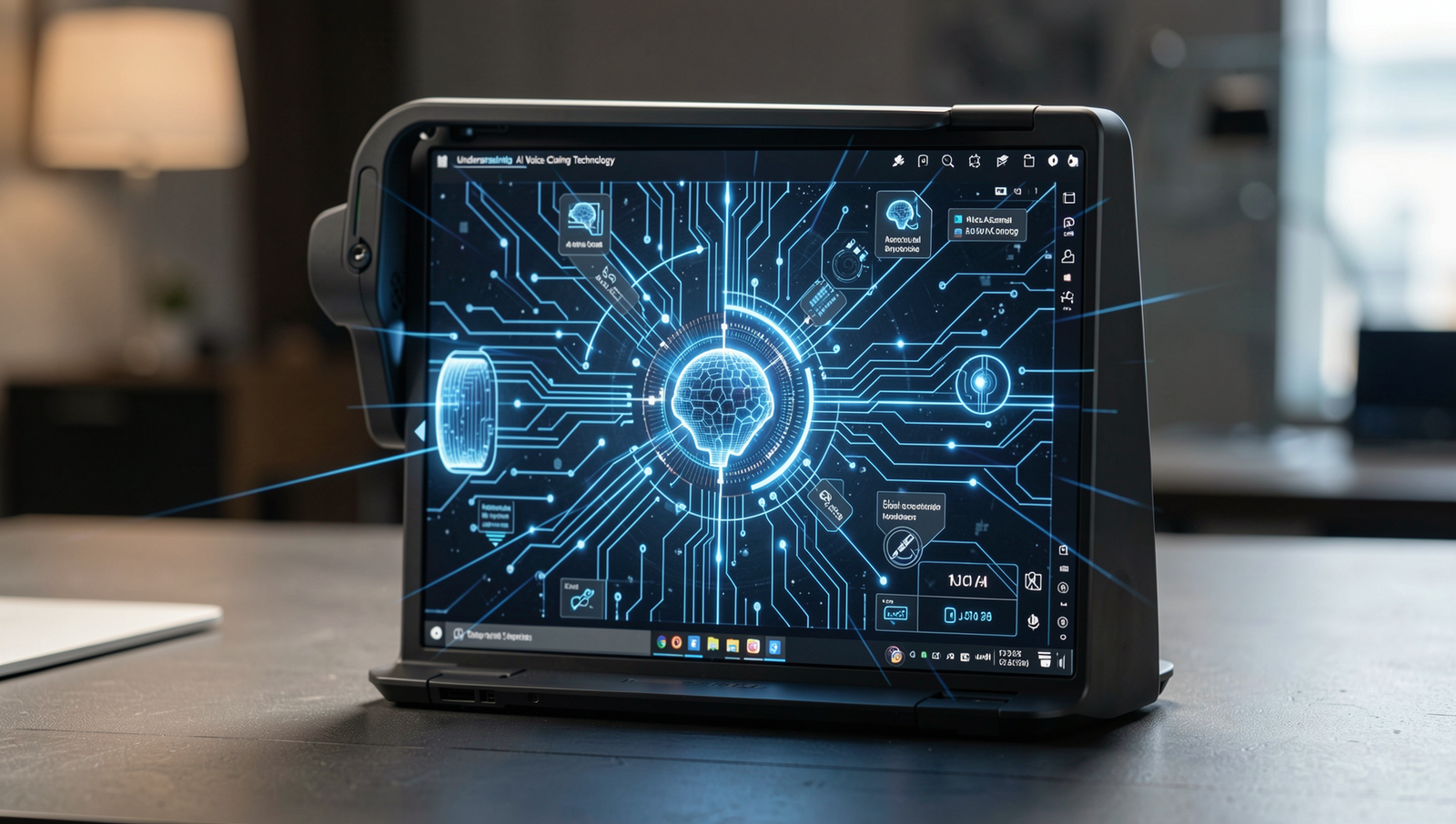
AI voice cloning refers to the process of using artificial intelligence to create a synthetic version of a person’s voice. This technology leverages deep learning algorithms and neural networks to analyze and replicate the unique characteristics of a voice, including tone, pitch, and accent. The underlying technology involves several steps, including data collection, modeling, and synthesis.
Here’s how voice cloning works:
- Data Collection: A large dataset of audio recordings of the target voice is gathered, often requiring hours of speech.
- Modeling: Machine learning models are trained on this data to understand the nuances of the voice.
- Synthesis: The trained model can then generate new speech that sounds like the original voice, even producing entirely new sentences.
Despite its potential for misuse, AI voice cloning has legitimate applications in various industries:
- Entertainment: Voice actors can create multiple characters without needing to record each line separately.
- Accessibility: Individuals with speech impairments can use voice cloning to communicate more effectively.
- Customer Service: Companies can use cloned voices for automated responses that sound more human-like.
However, the rise of AI voice cloning scams poses significant risks, as scammers can exploit this technology to impersonate individuals and commit fraud.

Methods Used by Scammers
AI voice cloning scams have become increasingly sophisticated, employing various tactics to deceive victims. One common method is impersonating a trusted individual, such as a family member or a business associate. Scammers often initiate contact through phone calls, using cloned voices to create a sense of urgency or emotional distress.
- Impersonation: Scammers may clone the voice of a loved one to request money for emergencies, such as medical bills or legal issues.
- Business Fraud: They can mimic the voice of a company executive to authorize fraudulent transactions.
- Tech Support Scams: Cloned voices may be used to pose as tech support representatives, tricking victims into providing personal information.
Case studies highlight the effectiveness of these scams. In one instance, a victim received a call from what they believed was their child’s voice, claiming to be in trouble and needing immediate funds. In another case, a company lost thousands of dollars when a CEO’s voice was cloned to authorize a wire transfer.
Scammers often obtain voice samples from publicly available sources, such as social media, videos, or podcasts. They may also use social engineering techniques to gather information about their targets, making the cloned voice more convincing. By leveraging emotional manipulation and urgency, they exploit the trust of victims, leading to devastating financial losses.
Preventing AI Voice Cloning Scams
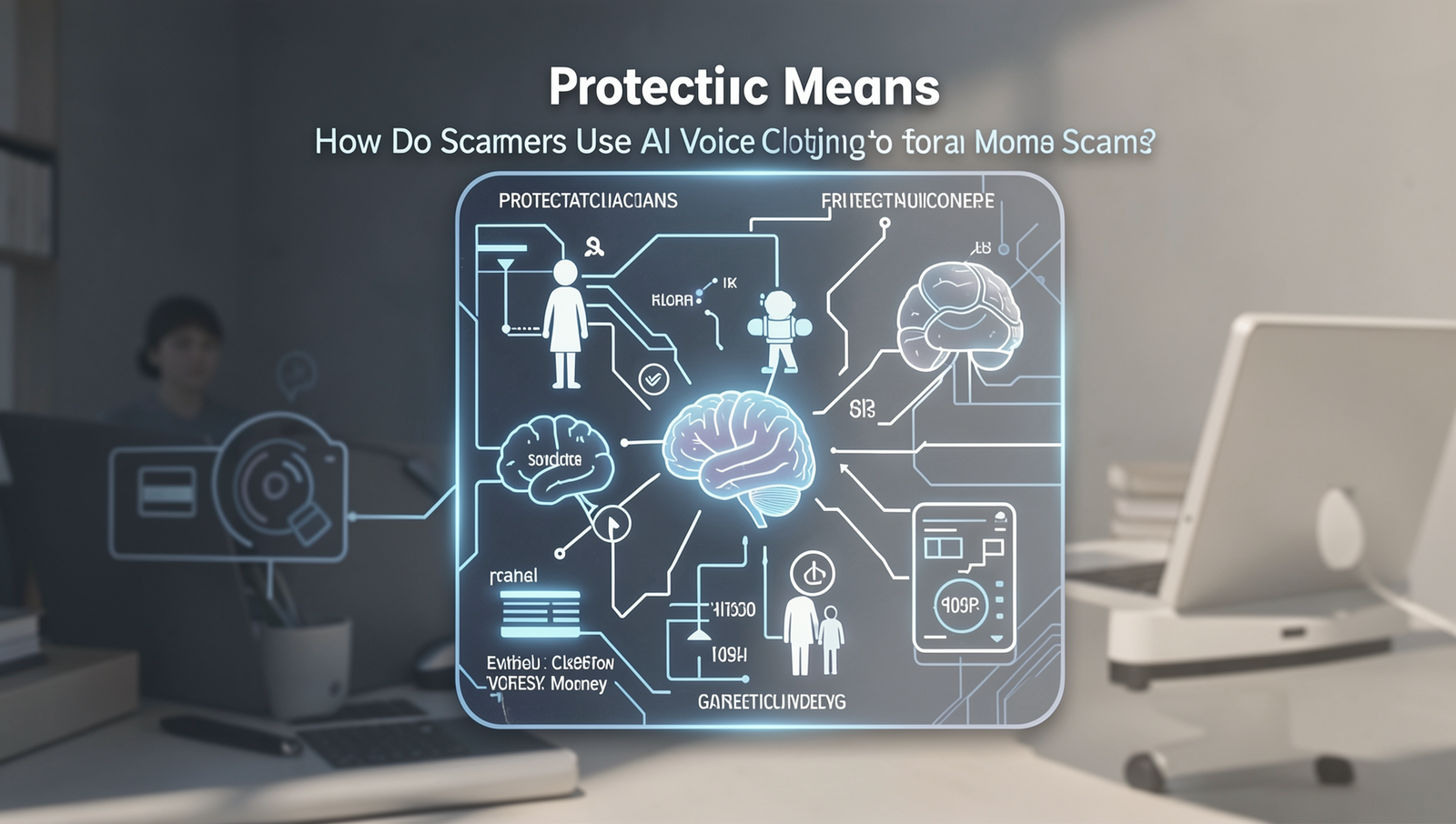
As AI voice cloning scams become more prevalent, individuals must take proactive steps to protect themselves. Here are some practical tips to help safeguard against these fraudulent schemes:
- Be cautious when receiving unsolicited calls, especially those requesting personal information or money.
- Always verify the identity of the caller by contacting them through a known number, rather than the one provided in the call.
- Educate yourself and your family members about the signs of voice cloning scams, such as unusual requests or urgency in communication.
It is crucial to verify identities through multiple channels. For instance, if you receive a call from someone claiming to be a bank representative, hang up and call the bank directly using the number on their official website. This simple step can help prevent falling victim to AI voice cloning scams.
Technological advancements are also being developed to detect voice cloning. Solutions such as voice biometrics and AI-driven anomaly detection can help identify discrepancies in voice patterns. These tools can be integrated into customer service systems to enhance security.
Finally, staying informed about legal regulations regarding AI voice cloning is essential. Governments are beginning to implement laws to combat this type of fraud, which can provide additional protection for individuals. Keeping abreast of these developments can help you understand your rights and the measures being taken to combat AI voice cloning scams.
Conclusion
AI voice cloning scams represent a significant threat in today’s digital landscape, as they leverage advanced technology to manipulate and deceive individuals. Scammers can create realistic voice replicas of trusted individuals, making it increasingly difficult for victims to discern between genuine communication and fraudulent attempts. This innovation in deception not only undermines personal security but also poses a risk to financial institutions and businesses that rely on voice verification systems.
To protect against AI voice cloning scams, it is essential for individuals and organizations to remain vigilant and adopt robust security measures. Awareness and education about the potential risks of voice cloning technology can empower people to recognize suspicious activities. Implementing multi-factor authentication and verifying requests through alternative channels can significantly reduce the likelihood of falling victim to these sophisticated scams.
Frequently Asked Questions

How does AI voice cloning work?
AI voice cloning uses machine learning algorithms to analyze and replicate a person’s voice by processing audio samples. The technology can capture nuances in tone, pitch, and speech patterns, allowing it to generate realistic voice outputs that can mimic the original speaker.
What methods do scammers use with voice cloning?
Scammers often use voice cloning to impersonate individuals, typically targeting family members or business associates. They may create fake calls requesting money or sensitive information, leveraging the cloned voice to gain trust and manipulate the victim into complying with their demands.
How can I protect myself from voice cloning scams?
To protect yourself from voice cloning scams, always verify the identity of the caller through a secondary method, such as a text message or a separate phone call. Be cautious of unsolicited requests for money or personal information, and educate yourself about the technology and its potential misuse.
What should I do if I suspect a voice cloning scam?
If you suspect a voice cloning scam, cease communication immediately and report the incident to local authorities or consumer protection agencies. Additionally, inform the person being impersonated, as they may need to take further action to protect their identity.