
6 min read • 1,132 words
When it comes to phone camera quality, many users often equate higher megapixels with better images. However, the truth is that the quality of your phone’s camera depends on a multitude of factors beyond just the number of megapixels. Understanding these elements can help you appreciate why some smartphones produce stunning photos while others fall short, even with similar megapixel counts.
Key components such as lens quality, sensor size, and advanced image processing algorithms play a crucial role in determining the overall performance of your phone camera. Additionally, features like stabilization technology and dynamic range significantly influence the sharpness, clarity, and detail retention in your photos. In this article, we will explore how these factors contribute to the true quality of your phone’s camera and why it’s essential to look beyond megapixels when evaluating camera performance.
Understanding Megapixels and Their Limitations
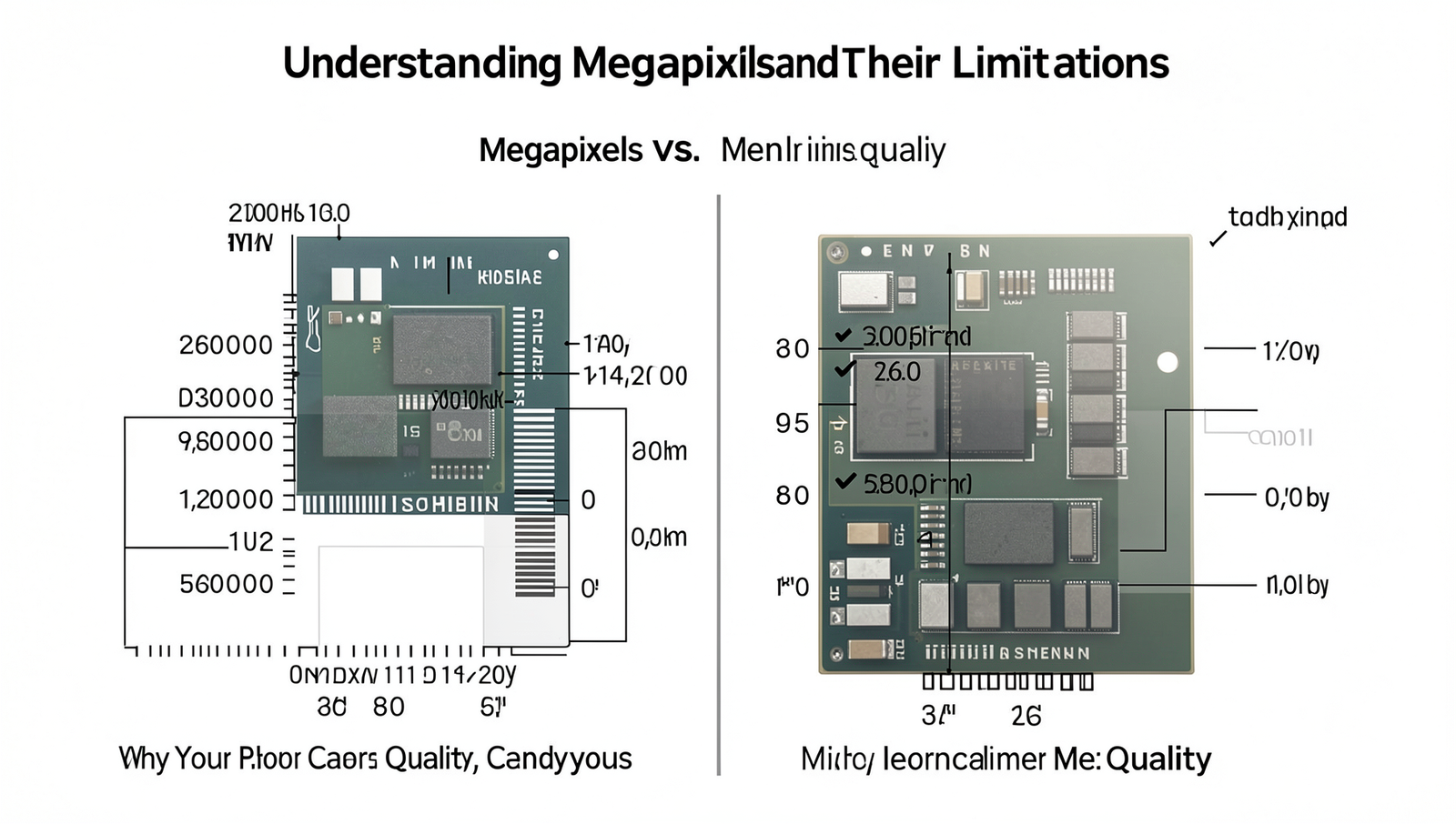
When discussing phone camera quality, many people immediately think of megapixels. While megapixels do measure the resolution of an image, they do not necessarily equate to overall image quality. A camera with a higher megapixel count may capture more detail, but this does not guarantee that the images will be better.
One of the significant drawbacks of higher megapixels is the increase in file sizes. For instance, a 12-megapixel image may take up less storage space than a 48-megapixel image, even if the latter does not produce a noticeably better photo. This can lead to storage issues, especially for users who frequently take photos.
- Image quality is heavily influenced by sensor size and technology.
- Smaller sensors may struggle with low light conditions, leading to grainy images.
- Higher megapixels can introduce noise, particularly in low-light situations.
For example, a smartphone with a 12-megapixel sensor and advanced image processing technology may outperform a 48-megapixel camera with a smaller sensor in low-light environments. Thus, when considering phone camera quality, it is essential to look beyond just the megapixel count and evaluate the overall camera system.
The Role of Camera Sensors and Lenses
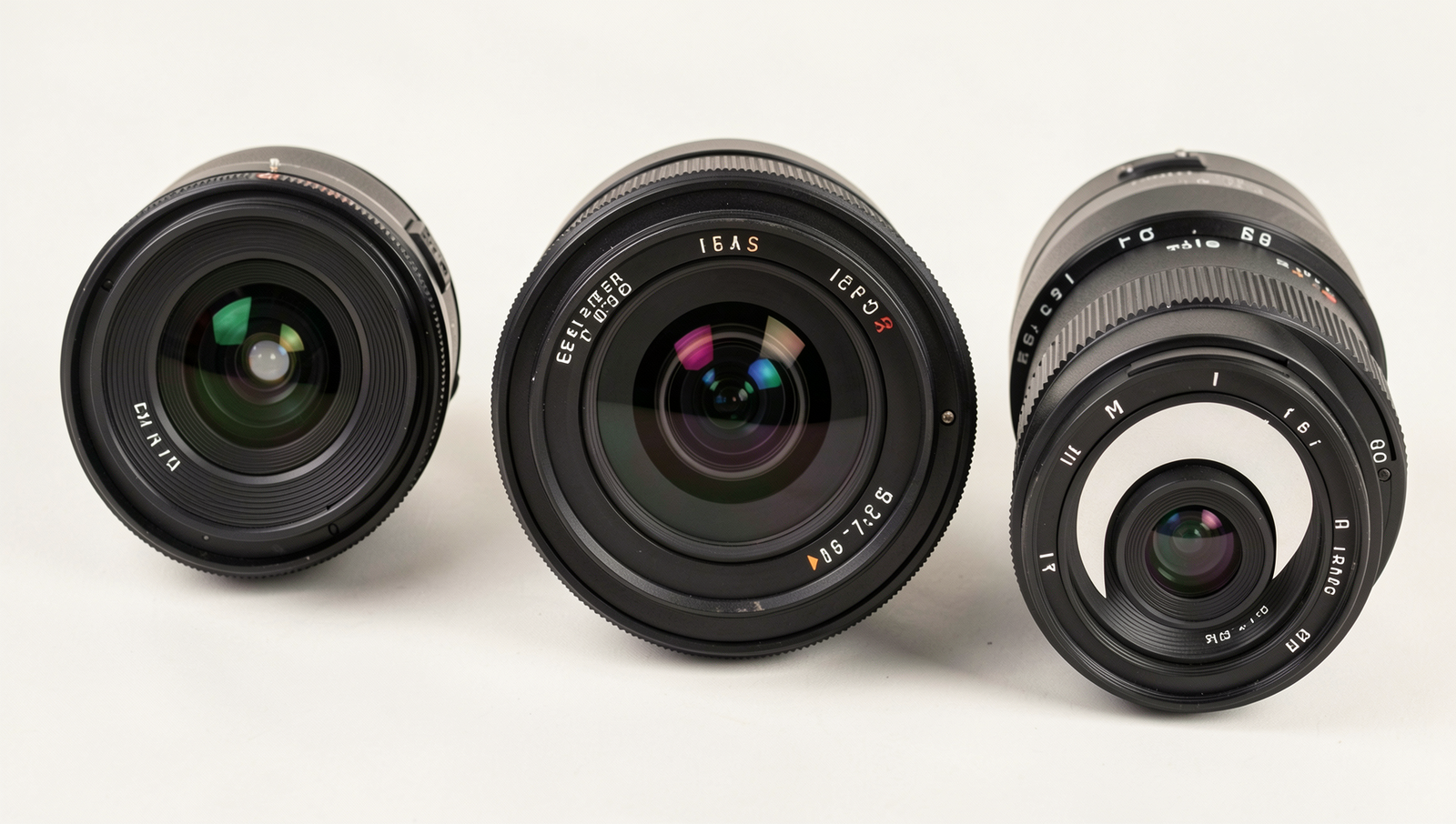
When it comes to phone camera quality, the size of the camera sensor plays a crucial role. Larger sensors are capable of capturing more light, which significantly enhances image quality. This is particularly noticeable in low-light conditions, where a larger sensor can produce clearer and more detailed images compared to smaller sensors.
Another essential factor is the quality of the lens. A high-quality lens can greatly affect various aspects of the image, including:
- Sharpness: A good lens ensures that images are crisp and clear.
- Distortion: Quality lenses minimize unwanted distortion, maintaining the integrity of the image.
- Color Accuracy: Better lenses provide more accurate color reproduction, making photos look more natural.
Aperture size is also a significant consideration. A wider aperture allows more light to enter the camera, improving low-light performance and enabling a shallower depth of field. This effect can create beautiful background blur, isolating the subject in focus. For instance, using a lens with a wide aperture can dramatically enhance portrait photography by making the subject stand out against a softly blurred background.
Different lenses can also dramatically change the outcome of your photos. For example, a macro lens allows for extreme close-ups, revealing details that standard lenses might miss. Similarly, a wide-angle lens can capture expansive landscapes, making it ideal for travel photography.

Software and Processing Power in Modern Phones
When it comes to phone camera quality, the hardware specifications are only part of the equation. The software and processing power play a crucial role in determining the final image quality. Image processing algorithms are designed to enhance photos beyond what the raw capture can achieve. These algorithms can adjust colors, sharpen details, and correct distortions, resulting in a more polished image.
One significant advantage of modern smartphone cameras is their ability to reduce noise and improve dynamic range through advanced software techniques. For instance, when taking photos in low-light conditions, the camera’s software can merge multiple exposures to create a clearer, more vibrant image.
- AI Features: Many smartphones now incorporate AI to optimize camera settings automatically based on the environment. For example, if you’re photographing a sunset, the AI can enhance the colors to make them more vivid.
- Post-Processing: After capturing an image, software can significantly alter the final result. Users can apply filters, adjust brightness, and crop images to achieve the desired look.
In summary, while megapixels are important, the software and processing capabilities of a phone camera are equally vital in determining overall photo quality. The combination of advanced algorithms and AI-driven features ensures that users can capture stunning images in a variety of conditions.
Conclusion
In summary, while megapixels are an important factor in determining phone camera quality, they are far from the only consideration. Elements such as sensor size, lens quality, and image processing capabilities play crucial roles in how well a camera performs in various conditions. Understanding these factors can help consumers make more informed choices when selecting a smartphone based on its camera capabilities.
Ultimately, achieving great phone camera quality requires a holistic approach that goes beyond just counting megapixels. By focusing on the overall design and technology behind the camera system, manufacturers can create devices that capture stunning images, regardless of the megapixel count. Therefore, it’s essential to evaluate a phone’s camera as a complete package rather than relying solely on specifications.
Frequently Asked Questions
What factors affect phone camera quality besides megapixels?
Phone camera quality is influenced by several factors beyond just megapixels. These include lens quality, sensor size, image processing software, and the presence of optical image stabilization. Each of these elements plays a crucial role in determining how well a camera captures images in various conditions.
How does lens quality impact photo clarity?
The quality of the lens directly affects photo clarity. A high-quality lens can minimize distortions and aberrations, resulting in sharper and more detailed images. Additionally, better lenses can handle different lighting conditions more effectively, contributing to overall image quality.
Why is sensor size important for low-light performance?
Sensor size is critical for low-light performance because larger sensors can capture more light. This allows for better image quality in dim conditions, reducing noise and improving detail. A larger sensor can also provide a shallower depth of field, which can enhance the aesthetic quality of photos taken in low light.
How does image processing software enhance photo quality?
Image processing software plays a vital role in enhancing photo quality by applying algorithms that improve color accuracy, dynamic range, and noise reduction. Advanced processing can help correct imperfections and optimize images for better overall appearance, making it a key factor in the final output of photos taken with a phone camera.