5 min read • 1,050 words
In today’s digital age, understanding how hackers steal passwords is crucial for safeguarding your online presence. Cybercriminals have developed sophisticated methods to capture sensitive information without requiring any interaction from the user. From keyloggers that silently record your keystrokes to malware that exploits software vulnerabilities, the tactics employed by hackers are increasingly stealthy and effective.
Moreover, phishing attacks can be executed through malicious advertisements that don’t necessitate a click, making it even more challenging to stay protected. Techniques such as Wi-Fi eavesdropping allow hackers to intercept data over unsecured networks, while seemingly harmless browser extensions can turn out to be malicious tools designed to steal your passwords without your consent. Understanding these threats is the first step in fortifying your digital defenses.

Understanding Password Theft Techniques
Password theft is a prevalent issue in the digital age, with hackers employing various methods to gain unauthorized access to sensitive information. Understanding these techniques is crucial for safeguarding personal data. Here are some common methods used by hackers:
- Phishing: This involves tricking individuals into providing their passwords through deceptive emails or websites that appear legitimate.
- Keyloggers: These are malicious software programs that record keystrokes, allowing hackers to capture passwords as they are typed.
- Social Engineering: Hackers manipulate individuals into divulging confidential information by exploiting trust and human psychology.
Phishing comes in various forms, including:
- Spear Phishing: Targeted attacks aimed at specific individuals or organizations.
- Whaling: A type of phishing that targets high-profile individuals, such as executives.
- Clone Phishing: A duplicate of a previously sent legitimate email, modified to include malicious links.
Keyloggers can be installed through malicious downloads or compromised websites. Once activated, they silently track every keystroke, making it easy for hackers to steal passwords without the victim’s knowledge.
Social engineering tactics often involve impersonating trusted sources, such as IT personnel or bank representatives, to extract sensitive information. By building rapport, hackers can convince victims to reveal their passwords willingly.
In summary, understanding how hackers steal passwords through these methods is essential for developing effective security measures and protecting personal information.
Exploiting Vulnerabilities in Software and Networks
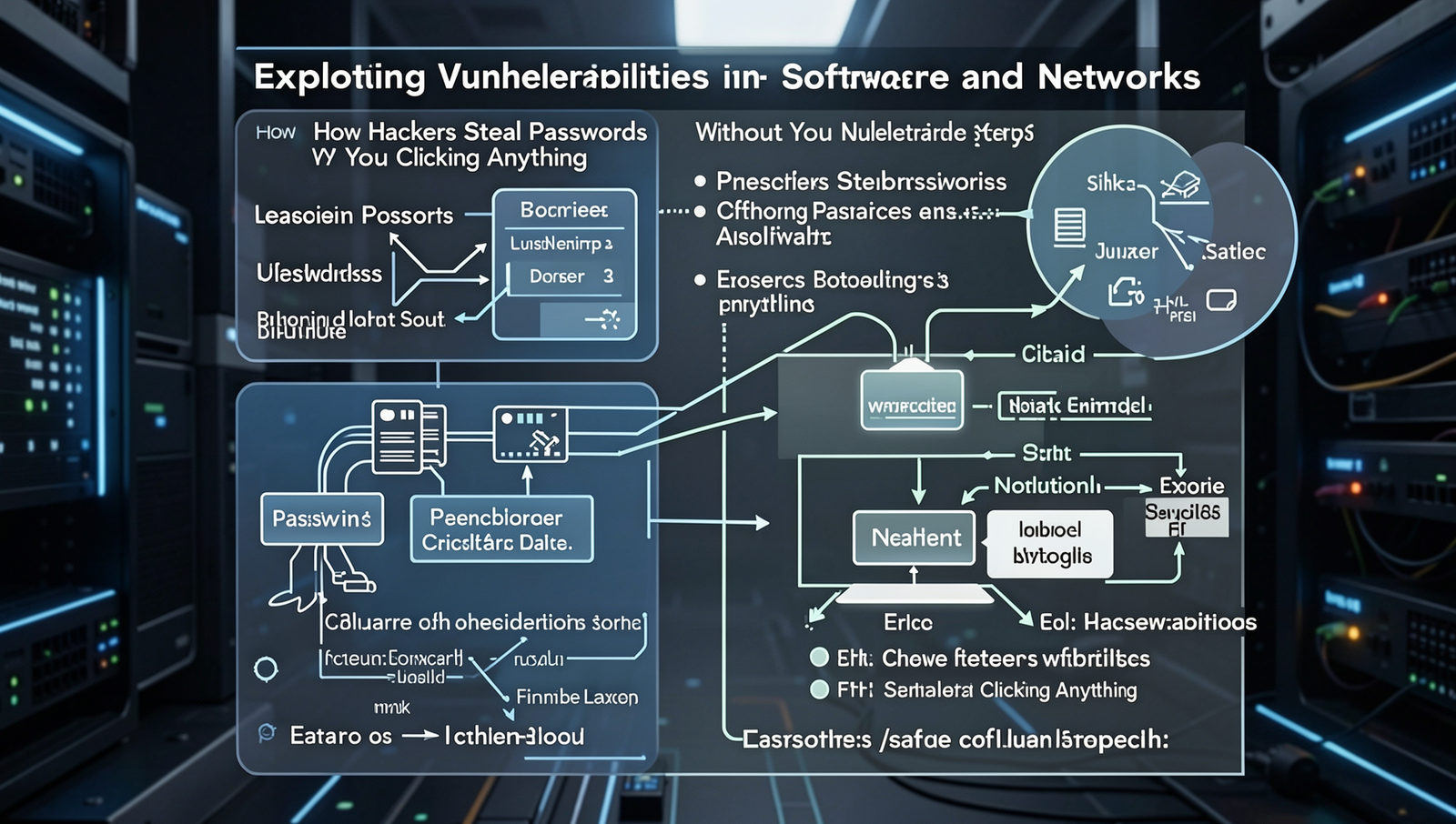
Malware plays a crucial role in how hackers steal passwords by exploiting vulnerabilities in software and networks. This malicious software can take various forms, including keyloggers, trojans, and ransomware, each designed to infiltrate systems and capture sensitive information. For instance, a keylogger records every keystroke made by a user, allowing hackers to gather passwords without any interaction from the victim.
Unpatched software is another significant risk factor that can lead to security breaches. When software developers release updates, they often include patches for known vulnerabilities. Failing to apply these updates can leave systems exposed. For example, the Equifax breach in 2017 was largely attributed to unpatched software that hackers exploited to gain access to sensitive data.
Secure network configurations are essential in preventing unauthorized access. Weak passwords, default settings, and open ports can all be exploited by attackers. Organizations should regularly review their network security settings to ensure they are robust against potential threats.
- Case Study: Target Breach (2013) – Hackers accessed Target’s network through a third-party vendor, exploiting vulnerabilities in their security systems.
- Case Study: Yahoo Data Breach (2013-2014) – Over 3 billion accounts were compromised due to outdated security measures and unpatched vulnerabilities.
- Case Study: SolarWinds Attack (2020) – Hackers infiltrated software updates, allowing them to access numerous government and corporate networks.
These examples highlight the importance of maintaining updated software, securing network configurations, and understanding how hackers steal passwords to protect sensitive information effectively.

Preventive Measures Against Password Theft
To effectively combat how hackers steal passwords, it is crucial to adopt best practices for creating strong passwords. A strong password should be at least 12 characters long and include a mix of uppercase letters, lowercase letters, numbers, and special characters. Avoid using easily guessable information such as birthdays or common words.
- Use passphrases: Combine random words to create a memorable yet complex password.
- Utilize password managers: These tools can generate and store strong passwords securely.
Another essential measure is the implementation of two-factor authentication (2FA). This adds an extra layer of security by requiring not only a password but also a second form of verification, such as a text message or authentication app. This makes it significantly harder for hackers to gain access, even if they have your password.
Regularly updating software and systems is also vital. Software updates often include security patches that protect against known vulnerabilities. Ensure that your operating system, applications, and antivirus software are always up to date.
Finally, educating users about security awareness can greatly reduce the risk of password theft. Conduct regular training sessions that cover topics such as recognizing phishing attempts, safe browsing habits, and the importance of password security.
Conclusion
Understanding how hackers steal passwords is crucial in today’s digital landscape. By employing various techniques such as phishing, keylogging, and exploiting vulnerabilities, cybercriminals can gain unauthorized access to sensitive information without requiring any interaction from the victim. This highlights the importance of maintaining strong security practices and being vigilant about online activities.
To protect yourself from these threats, it is essential to use complex passwords, enable two-factor authentication, and regularly update your security software. By staying informed and proactive, you can significantly reduce the risk of falling victim to password theft and safeguard your personal information from malicious actors.
Frequently Asked Questions

How do hackers steal passwords without user interaction?
Hackers can employ various techniques to steal passwords without requiring any user interaction. These methods include exploiting vulnerabilities in software, using phishing attacks that don’t require clicks, and deploying malware that can capture sensitive information directly from the system.
What is a keylogger?
A keylogger is a type of surveillance software or hardware that records every keystroke made on a keyboard. This allows hackers to capture passwords, credit card numbers, and other sensitive information without the user’s knowledge.
Can malware steal passwords silently?
Yes, certain types of malware are designed to operate silently in the background, capturing passwords and other sensitive data without alerting the user. This can include spyware, trojans, and other malicious software that can monitor user activity and extract information without any visible signs.